Discover the Ultimate Techniques for Using Wax to Create Stunning Textured Hair Styles
What is Hair Wax and How Can You Use It Effectively for Best Results?
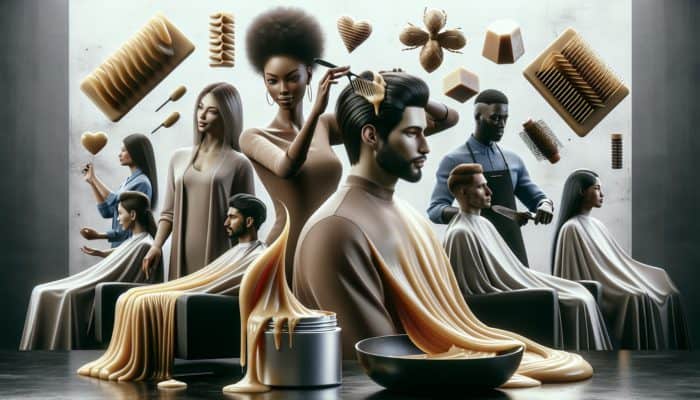
Wax serves as a remarkably adaptable styling product that not only enhances texture but also provides hold and shine, making it possible to achieve an extensive variety of creative hair designs. Its widespread popularity arises from its ability to effortlessly help individuals achieve their desired looks. Among the key types of wax products available are:
- Beeswax: A natural and flexible choice ideal for crafting soft textures and adding definition.
- Hard Wax: Recognised for its strong hold while still permitting movement and flexibility.
- Soft Wax: Lightweight and perfect for creating effortless, tousled hairstyles.
- Matte Wax: Provides a non-shiny finish, making it excellent for achieving a more natural appearance.
Understanding the variations among these categories allows users to choose the most suitable wax for their specific styling requirements, whether they are aiming for a sleek, polished finish or a relaxed, textured vibe.
What Key Ingredients Should You Consider When Choosing Wax Products?
Important ingredients like beeswax and polymers form the foundation of durability and flexibility in textured hair styles. These essential components are critical for providing a strong yet adaptable hold, enabling users to style their hair without causing damage. For instance, beeswax not only delivers hold but also conditions the hair, while polymers enhance the wax's ability to resist humidity, ensuring your style remains intact throughout the day.
Moreover, some waxes may contain beneficial oils like jojoba or argan, which moisturise and add shine, helping to maintain the health and vibrancy of your hair while styled. The combination of these ingredients positions wax as a top choice for everyday styling, allowing for simple adjustments and reworking without the necessity for multiple products.
How Can You Prepare Your Hair Effectively Before Applying Wax?
To achieve optimal results with wax, it is essential to begin with clean, dry hair. This preparation guarantees effective adhesion, allowing the product to maintain its texture and style throughout the day. Start by washing your hair with a gentle shampoo to eliminate oils or residues that may interfere with the wax's grip. This step is crucial for achieving a polished finish and ensuring your style lasts.
Once your hair is cleansed, ensure it is completely dry. Applying wax to wet hair can dilute the product, making it challenging to distribute evenly and leading to an undefined look. By adequately preparing your hair, you significantly enhance the effectiveness of the wax, ensuring that your chosen style holds its shape and appears sophisticated from morning until night.
What is the Best Technique for Applying Wax to Achieve Impressive Hair Styles?

What Techniques Should You Follow for Even Wax Distribution on Your Hair?
To create a naturally defined texture, evenly applying wax is paramount. Begin by taking a small amount of wax and warming it between your fingers; this process makes the product more pliable and easier to manipulate. Following this, use either your fingers or a comb to distribute the wax evenly throughout your hair, ensuring you avoid any buildup.
Pay attention to specific areas, such as the roots for added volume or the tips for enhanced texture, to customise the look according to your preferences. Remember, less is often more; starting with a small amount allows you to build up as necessary, which helps prevent a greasy appearance that can result from over-application, ensuring your style remains fresh and natural.
What Styling Tools Can Enhance the Application of Wax?
Utilising specific tools can significantly improve your wax application, allowing for more precise styling and a refined finish. Brushes, for instance, are excellent for evenly dispersing the product, especially when targeting sleek styles. A fine-tooth comb is also an invaluable tool, particularly for defining sections and creating sharp lines.
Additionally, a natural bristle brush can smooth the hair's surface following wax application, ensuring a polished finish that retains the desired texture. Experimenting with various tools can help you refine your look, providing greater control and enhancing your overall styling experience for textured hair.
How Should You Adjust Your Wax Application Based on Different Hair Textures?
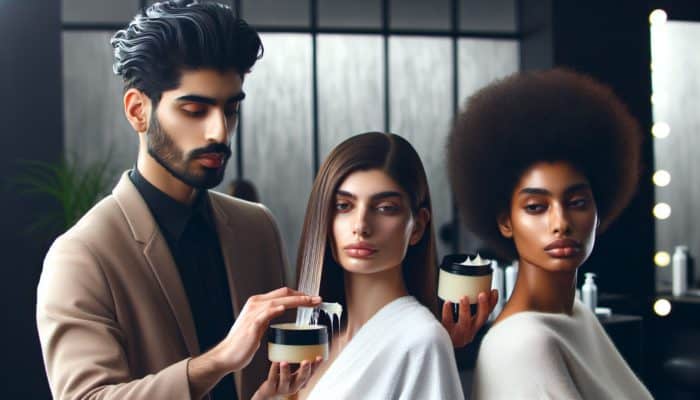
Modifying the amount of wax based on your hair type is essential for optimising hold while preserving movement. Hair types can vary significantly; for instance, fine hair may require a lesser amount to avoid feeling weighed down, whereas thicker hair might benefit from a more substantial application to achieve the desired texture.
Understanding your hair's unique characteristics enables a personalised approach to styling. For example, if you have curly hair, using wax judiciously can help define your curls without resulting in a stiff finish. This tailored method ensures that styles remain flexible and natural, accommodating individual preferences and needs.
What Important Preparatory Steps Should You Take Before Wax Application?
Prior to applying wax, it is crucial to ensure your hair is clean and dry to maximise adhesion and enhance the durability of your style. Washing your hair effectively removes excess oils and residues that could hinder the wax's grip. Furthermore, ensuring that your hair is completely dry prevents any dilution of the product, which can lead to ineffective styling.
This preparatory step is fundamental for achieving a professional finish and maintaining your style throughout the day. By adhering to these guidelines, you can guarantee that your textured look remains intact, allowing you to enjoy your style without concerns about fading or loss of definition.
What Expert Strategies Can Improve Your Wax Usage for Textured Styles?
How Do Professionals Recommend Selecting the Best Wax for Your Needs?
Choosing the appropriate wax for your textured hair is vital for achieving the desired results. Experts advise evaluating your hair type and the specific texture you wish to create. For instance, if you have fine hair and are seeking volume, a lightweight wax with a matte finish may be your best choice.
For example, soft wax is ideal for achieving tousled beachy waves, providing hold without weighing down the hair. Conversely, thick, coarse hair may benefit from a stronger-hold wax that withstands humidity and maintains the style all day long. Incorporating these practical tips into your routine ensures effective application that meets your styling expectations.
What Advanced Blending Techniques Can Boost Wax Performance?
Combining wax with other styling products can significantly enhance the texture and performance of your hairstyle. For instance, mixing a small amount of wax with a leave-in conditioner can provide extra moisture while maintaining hold. This technique is particularly beneficial for individuals with dry or damaged hair, as it protects strands and delivers a textured finish.
Another advanced method involves layering products: start with a heat-protectant spray, apply a light mousse for volume, and finish with wax for definition. This combination contributes not only to a more polished appearance but also allows for a unique texture that stands out. Embracing these blending strategies will ensure superior results in your styling routine.
How Can You Optimise Wax for Long-Lasting Styles?
Maintaining wax-treated textures over time can be challenging, but with the right strategies, it is entirely achievable. Professionals recommend using a lightweight hairspray after application to provide an additional layer of hold without compromising the integrity of the wax. This technique keeps styles intact throughout various activities and environmental conditions.
Moreover, maintaining a consistent hair care routine, such as regular conditioning and minimising excessive heat exposure, also supports the longevity of your textured styles. Real-world examples indicate that individuals who regularly use such protective measures often achieve longer-lasting results, greatly enhancing the effectiveness of wax in their styling routines.
What Unique Benefits Can You Gain from Using Wax?
The Primary Advantages of Wax for Achieving Textured Hair Styles
The use of wax offers numerous advantages for creating stunning textured looks, making it a preferred choice for many. One of its primary benefits is its ability to provide a strong hold while maintaining a natural shine. This characteristic is crucial for defining textures and ensuring hair looks lively and well-groomed.
- Versatility: Suitable for a wide range of styles, from sleek to tousled.
- Ease of Use: Straightforward application techniques make it accessible for everyone.
- Long-lasting Hold: Maintains styles throughout the day without requiring constant touch-ups.
- Flexible Styling: Can be effortlessly reworked without leaving any residue behind.
These benefits highlight the significance of wax in hairstyling, establishing it as an essential product for both professional stylists and everyday users aiming for impressive textured results.
How Can Wax Techniques Help Enhance Volume in Your Hairstyles?
Wax acts as a powerful tool for adding body and depth to hairstyles, resulting in fuller, more dynamic textures. To achieve this effect, concentrate on the roots during application. By lifting sections of hair at the roots and applying wax directly, you can create instant volume that lasts throughout the day.
Another effective technique involves twisting sections of hair while applying the product to encourage natural movement and fullness. This method fosters creative expression, enabling you to develop unique styles without weighing your hair down. Wax provides the flexibility to experiment with various looks while keeping them vibrant and full of life.
Why Does Wax Enhance Hair Manageability?
Wax significantly simplifies the styling process by reducing frizz and providing control over textured looks. When applied correctly, it offers a light, manageable hold that allows users to shape their hair effortlessly. This benefit is exceptionally valuable for individuals with thick, coarse, or curly hair, where frizz can often pose a considerable challenge.
By minimising flyaways and enhancing overall texture, wax enables users to maintain their styles throughout the day with minimal touch-ups. This ease of maintenance is a significant advantage, as it allows for a polished appearance without the constant need for reapplication or additional products.
What Proven Strategies Can Help You Effectively Use Wax for Textured Styles?
Successful Layering Techniques for Wax Application
Effectively layering wax can help create intricate textures, resulting in professional-level outcomes. Begin by applying a base product, such as a light mousse or styling cream, which lays a foundation that adds volume and control.
Once the base is established, apply wax, focusing on areas where you desire additional texture. This method allows you to achieve a more dynamic and multifaceted style, with each layer contributing to the overall look. Experimenting with different layering techniques ensures you achieve a unique finish that reflects your personal style, making it a valuable addition to any styling routine.
How Can You Experiment with Various Wax Formulations?
Testing different wax consistencies is vital for discovering unique textures that suit your individual style. Start by sampling a range of formulations, including hard, soft, or matte wax, to identify which yields the best results for your hair type and desired look.
Furthermore, consider mixing different waxes to create a custom blend that meets your specific needs. For instance, combining a strong-hold wax with a softer variant can produce a flexible yet well-defined texture. This experimentation encourages creativity and enables the development of personalised styling techniques that can enhance your overall hair care routine.
How to Tailor Wax for Your Unique Styling Preferences?
Adapting wax to your individual texture preferences necessitates a comprehensive understanding of your hair type and the specific results you want to achieve. For instance, if you prefer a more natural, beachy look, opt for a soft wax that allows your hair to move freely without feeling stiff.
Additionally, consider incorporating other styling products that complement wax, such as creams or oils, to achieve a more tailored finish. Real-world examples of stylists customising wax for their clients highlight the effectiveness of this approach, demonstrating how personalised styling can lead to impressive and satisfying results.
Why is Wax the Ideal Choice for Your Textured Hair Look?
What Makes Wax an Exceptionally Versatile Styling Option?
Wax distinguishes itself through its adaptability in creating and maintaining various textures, making it suitable for diverse styling goals without limits. Whether you desire sleekness or tousled volume, there is a wax formulation available to help you achieve your ideal look.
This versatility stands out as one of wax’s most remarkable attributes, allowing users to explore an array of styles with ease. Furthermore, its capacity to provide a strong hold while preserving flexibility enhances its appeal, empowering individuals to experiment and express their unique styles confidently.
How Does Wax Compare to Other Hair Styling Products?
When comparing wax to other styling products, it becomes apparent that wax often delivers superior hold for textured styles. Its unique formulation permits durability without sacrificing the natural feel of hair, a common drawback of many gel or spray alternatives.
Additionally, wax offers flexibility and reworkability, allowing users to adjust their styles effortlessly throughout the day. This combination of qualities makes wax a preferred option among stylists and everyday users alike, solidifying its place in the hairstyling toolkit.
What Are the Long-Term Benefits of Regular Wax Use?
Consistent application of wax can support healthy textures by minimising damage from other styling methods. The right wax can provide protective qualities, such as moisture retention and frizz control, which are vital for maintaining hair health over time.
Moreover, incorporating wax into your regular styling routine helps the product bond with your hair, leading to improved manageability and texture. Many users report positive long-term effects, including increased shine and reduced breakage, making wax a reliable choice for sustained styling.
How to Maintain Your Textured Styles Using Wax?
Daily Care Routines to Effectively Incorporate Wax
Integrating wax into your daily hair care routine is crucial for preserving textures and ensuring styles remain intact. Begin each styling session with thorough cleansing to eliminate any product buildup, then apply a small amount of wax to enhance your texture.
Additionally, consider using a light conditioner regularly to maintain moisture levels, which supports overall hair health. By adopting these simple habits, you can ensure that your styles not only look fantastic but also feel healthy and vibrant, promoting a sustainable approach to hair care.
How Often Should You Reapply Wax for Optimal Results?
The frequency of wax reapplication can vary based on several factors, including activity level and environmental conditions. Generally, it is advisable to reapply wax as needed, particularly after strenuous activities or exposure to humidity. Consider these factors when determining how often to refresh your style:
- Hair type and texture.
- Level of physical activity throughout the day.
- Humidity and environmental conditions.
- Desired style and hold strength.
By assessing these elements, you can establish a reapplication routine that keeps your textured styles looking fresh and well-defined.
What is the Best Method for Removing Wax Without Residue?
To maintain your hair's integrity while using wax, thorough cleansing to eliminate any buildup is essential. Start with a clarifying shampoo to effectively break down the wax and remove residue that may interfere with styling.
Follow this with a hydrating conditioner to replenish moisture after cleansing. This method ensures your hair stays healthy and free of buildup, allowing you to use wax repeatedly without compromising its quality over time.
What Common Mistakes Should You Avoid When Using Wax?
How to Prevent Overusing Wax in Your Styling Routine?
Applying too much wax can lead to greasy textures, making moderation essential for achieving clean, defined looks. It is vital to start with a small amount and gradually build up as necessary, allowing for a well-balanced style that maintains a natural appearance.
By being mindful of the quantity used, individuals can ensure their hairstyles remain vibrant and fresh, avoiding common pitfalls of over-application, such as weighing hair down or causing product buildup.
Why is Hair Compatibility with Wax Important for Optimal Results?
Selecting a wax that aligns with your hair type is crucial for achieving optimal results. Using an incompatible product can lead to issues like flaking, which detracts from the overall appearance. For instance, fine hair may require a lighter formula, whereas coarse hair benefits from a stronger hold wax.
Understanding your unique hair characteristics will help you make informed choices, leading to better overall results and a more satisfying styling experience.
How to Ensure You Don’t Neglect Post-Styling Maintenance?
Proper aftercare is essential for preventing wax from dulling textures over time. Simple maintenance routines, such as gently brushing your hair and avoiding excessive heat, can help keep your style looking fresh and effective.
Additionally, consider using a light leave-in conditioner or hair oil to maintain moisture and vibrancy, ensuring your textured styles stay intact and appealing for longer.
Why You Should Avoid Applying Wax to Wet Hair?
Applying wax to wet hair can hinder proper adhesion, resulting in a messy and undefined style. Always ensure your hair is completely dry before applying for optimal hold and finish. This practice will prevent frustration and rework, enabling you to achieve your desired look efficiently.
Starting with dry hair creates ideal conditions for the wax to perform at its best, ensuring your styles hold and look polished throughout the day.
What Are the Risks of Using Wax with Incompatible Products?
Combining hair wax with incompatible products, such as certain oils or styling sprays, can lead to undesirable buildup or textures. It is essential to verify product compatibility to ensure a clean application and achieve optimal results.
Doing so not only enhances your overall hair care routine but also prevents the frustration that can arise from styling mishaps, ensuring you can confidently use wax to achieve your textured look.
Frequently Asked Questions About Wax for Textured Styles
What Types of Hair Wax Can I Choose From?
There are various types of hair wax available, including beeswax, hard wax, soft wax, and matte wax. Each type possesses distinct properties and finishes suitable for different hair textures and styles.
Can I Apply Wax to Wet Hair?
It is not recommended to apply wax to wet hair, as it may not adhere properly, resulting in an undefined style. Always ensure your hair is completely dry before application for optimal results.
How Can I Effectively Remove Wax Buildup from My Hair?
To eliminate wax buildup, use a clarifying shampoo to cleanse your hair thoroughly. Follow up with a hydrating conditioner to restore moisture and maintain hair health.
How Often Should I Apply Hair Wax?
The frequency of wax application depends on various factors, including activity level and hair type. Generally, reapply wax as needed, especially after physical activities or exposure to humidity.
Is Hair Wax Suitable for All Hair Types?
While hair wax can be beneficial for most hair types, it is crucial to choose a formulation that matches your specific hair texture. Fine hair may require lighter wax, whereas thicker hair can benefit from stronger hold options.
Can I Mix Hair Wax with Other Styling Products?
Yes, combining hair wax with other products, such as creams or oils, can enhance texture and achieve a customised finish. Experimenting with combinations can lead to unique and satisfying styling results.
How Do I Achieve Volume with Hair Wax?
To create volume, apply wax at the roots and use your fingers to lift sections of hair. This technique promotes body and adds depth to your hairstyle.
Can Wax Cause Damage to My Hair?
When used properly and sparingly, wax typically does not damage hair. However, it is crucial to remove wax appropriately at the end of the day to maintain hair health and prevent buildup.
What Advantages Does Wax Have Over Gel?
Wax generally offers better flexibility, reworkability, and a more natural finish than gel, which can often make hair feel stiff and crunchy.
How Can I Ensure My Waxed Style Lasts Longer?
To extend the longevity of your waxed style, use a light hairspray to set your look and consider regular hair care routines that include conditioning and minimising excessive heat exposure.
Connect with us on Facebook!
The Article: Employing Wax for Textured Styles: Achieving Perfect Looks appeared first on Amitys Hair Salon.
The Article Wax for Textured Styles: Mastering the Art of Perfect Looks Was Found On https://limitsofstrategy.com