Discover Comprehensive Insights on Choosing and Disposing of Plastic Aprons
What Varieties of Plastic Aprons Can You Choose From?

How Do I Dispose of Plastic Aprons Safely? In the UK, plastic aprons serve an essential function across diverse environments, including commercial kitchens, healthcare facilities, and laboratory settings. The primary categories of plastic aprons include disposable options, designed for single-use applications, and reusable models, built to withstand multiple uses. Recognising these differences is crucial for selecting proper disposal methods tailored to the specific apron type, thus safeguarding both public health and the environment.
Key Features to Consider When Selecting Plastic Aprons
The characteristics and design of plastic aprons play a significant role in determining their effectiveness and longevity in UK homes and workplaces alike. Important features such as waterproofing, length, and material thickness directly influence their capacity to protect clothing from spills, stains, and other contaminants. Acquiring a comprehensive understanding of these attributes is vital for ensuring safe handling practices and aligning with environmental standards while promoting responsible waste management strategies.
What Common Materials Are Used to Manufacture Plastic Aprons?
Plastic aprons primarily consist of materials like polyethene and PVC, each with unique properties that impact disposal methods. Familiarity with the composition of these materials is crucial for making informed decisions regarding their disposal. Notable features include being lightweight, water-resistant, and durable, while also demonstrating flexibility and non-biodegradability. Understanding these properties empowers users to navigate the complexities associated with waste disposal responsibly and sustainably.
- Lightweight
- Water-resistant
- Durable
- Flexible
- Non-biodegradable
How Can You Identify Safe Disposal Methods for Plastic Aprons?
Simple Steps to Guarantee Proper Disposal of Plastic Aprons
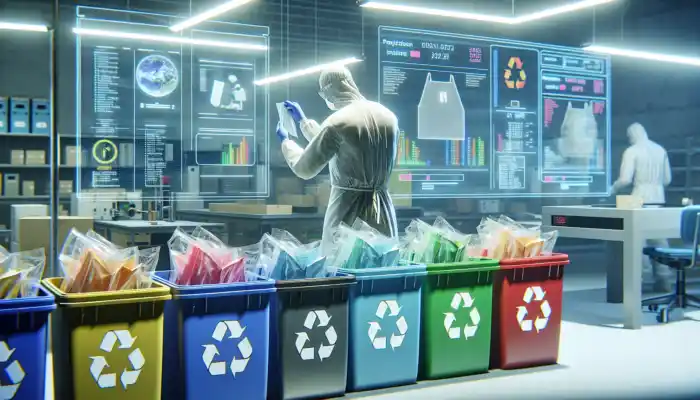
When disposing of plastic aprons in the UK, following clear and effective procedures is of utmost importance. Start by determining whether the aprons are recyclable by examining for recycling symbols or consulting the guidelines provided by your local council. If the aprons are deemed non-recyclable, they should be disposed of through local waste management services, which play a crucial role in reducing environmental risks and promoting sustainable waste practices.
Is Recycling a Practical Solution for Plastic Aprons?
Recycling plastic aprons is frequently a viable option, though it presents certain challenges. Many councils across the UK prohibit plastic aprons in kerbside collections due to contamination concerns. While some specific recycling centres may accept these items, it is essential to confirm local guidelines. Exploring options such as engaging in community recycling initiatives can significantly enhance waste management efforts, ensuring that plastic waste is handled responsibly.
What Signs Indicate Contaminated Plastic Aprons?
Recognising contaminated aprons is essential for maintaining safe disposal practices. In healthcare environments, for example, visible indicators such as blood or biological materials signal that the apron is contaminated. It is vital to isolate these contaminated items from general waste to prevent environmental harm and comply with health regulations. Always exercise caution when managing such aprons and strictly adhere to local guidelines regarding hazardous waste disposal.
Why Is Effective Waste Segregation Crucial for the Environment?
The Importance of Proper Waste Segregation in the UK
Effective waste segregation is critical for households in the UK, as it helps to minimise the volume of waste sent to landfills. By distinguishing plastic aprons from general waste, individuals contribute to national recycling goals and foster a healthier environment. This practice not only supports sustainability efforts but also raises community awareness about responsible waste management, highlighting its advantages for future generations.
Avoiding Common Mistakes in Waste Segregation
In the UK, common mistakes in waste segregation often involve mixing plastic aprons with food waste or general rubbish. Such errors can undermine recycling initiatives and increase contributions to landfills. To rectify these issues, users should establish clear disposal routines that consistently sort plastic items into designated recycling bins, thereby enhancing the effectiveness of local recycling efforts.
What Guidelines Do Local Authorities Provide for Waste Segregation?
Understanding the guidelines set by local authorities regarding plastic waste segregation is essential for compliance. Each council in the UK may implement specific regulations concerning bin colour codes and collection schedules. Familiarising yourself with these details, such as the use of purple bins for recycling in certain areas, ensures adherence to best practices in waste disposal and supports efficient, responsible waste management throughout the community.
What Expert Insights Can Help You Safely Dispose of Plastic Aprons?

Recommended Techniques for Professional Handling of Plastic Aprons
Waste management experts suggest specific handling techniques for the disposal of plastic aprons. For instance, industrial sites typically utilise designated bins that minimise contamination risks. Users can adopt similar practices at home by employing separate bags for clean and contaminated aprons, thereby enhancing confidence in their disposal methods and contributing to overall safety and compliance with regulations.
What Expert Recommendations Are Relevant to Households for Safe Disposal?
Incorporating professional disposal techniques into household practices involves implementing practical tools and routines. Experts recommend establishing designated storage areas for used aprons, clearly labelling them to avoid confusion, and creating a regular disposal schedule to ensure adherence to local regulations while enhancing safety within the home environment.
What Advanced Safety Protocols Should Be Followed for Plastic Aprons?
UK experts advise adopting advanced safety protocols when disposing of plastic aprons, particularly in environments where contamination risks are heightened. Using sealed bags during disposal helps to prevent exposure and ensures that waste remains contained. Following these measures enables individuals to enhance safety and compliance, ensuring that disposal practices are both effective and environmentally friendly.
Which UK Regulations and Legal Requirements Should You Be Aware Of?
The UK has specific legislation governing the disposal of plastic aprons, such as the Waste (England and Wales) Regulations. Understanding these regulations is vital for ensuring compliance and avoiding potential fines. Staying informed about legal requirements and adhering to best practices promotes environmental protection and supports responsible waste management within local communities.
What Are the Environmental Impacts Associated with Plastic Aprons?
How Do Plastic Aprons Influence Local Ecosystems?
Improper disposal of plastic aprons can have detrimental effects on UK wildlife and aquatic ecosystems. When discarded irresponsibly, these items contribute to plastic pollution, posing a significant threat to local ecosystems and biodiversity. Embracing eco-friendly alternatives and adhering to proper disposal methods is critical for environmental protection and ensuring the sustainability of natural resources for future generations.
What Pollutants Are Linked to Plastic Waste?
As plastic aprons degrade, they release pollutants that can adversely impact the UK environment. Common pollutants include microplastics and toxic chemicals that can seep into soil and waterways, presenting long-term risks to human health and wildlife. Encouraging responsible disposal practices is essential to mitigate these environmental impacts and advocate for a healthier ecosystem.
What Strategies Can Individuals Implement to Mitigate Environmental Harm?
Individuals can adopt various strategies to reduce environmental damage caused by plastic aprons. Actively participating in community clean-up events, supporting local recycling initiatives, and selecting biodegradable alternatives can all contribute to responsible disposal practices. These actions not only assist in environmental protection but also promote community awareness and engagement in sustainability efforts.
Research-Backed Benefits of Safely Disposing of Plastic Aprons
What Evidence-Based Disposal Techniques Are Recommended for Plastic Aprons?
Research conducted in the UK highlights effective disposal methods for plastic aprons, such as engaging with local recycling programs and adhering to manufacturer guidelines. By applying these findings in daily practices, individuals can significantly enhance their waste management techniques and contribute to a more sustainable future for their communities.
What Long-Term Advantages Can Come from Safe Disposal Practices?
Adopting safe disposal practices for plastic aprons offers numerous long-term benefits, including reduced pollution levels and improved community health. UK environmental studies underscore the importance of integrating these practices into everyday life, fostering a sustainable lifestyle that benefits both individuals and the planet.
Which Community Approaches Are Trusted for Responsible Disposal?
Research-supported strategies from UK initiatives, such as local recycling programs, provide reliable options for the safe disposal of plastic aprons. Engaging with community efforts facilitates proper waste management while cultivating a shared commitment to environmental sustainability, thereby enhancing the overall quality of life within the community.
What Recycling Options Are Available for Plastic Aprons?
How Can You Access Recycling Schemes for Plastic Aprons in the UK?
Accessing recycling schemes for plastic aprons throughout the UK requires thorough research on local options and utilisation of online resources. Many councils maintain dedicated websites that provide comprehensive information on nearby recycling facilities, enabling users to locate available services and make informed disposal decisions effortlessly.
What Alternative Disposal Methods Exist Beyond Traditional Recycling?
Beyond conventional recycling avenues, a variety of alternative methods for disposing of plastic aprons are available across the UK. Users might consider taking advantage of community drop-off points, participating in local recycling drives, or even engaging in textile recycling initiatives. These alternatives expand disposal choices and significantly enhance the overall effectiveness of recycling efforts.
- Community recycling events
- Local charity shops that accept plastic items
- Textile banks
- Specialised recycling centres
What Challenges Do Recycling Processes Encounter?
UK recycling systems frequently face common challenges, such as contamination and a lack of awareness regarding proper disposal methods. Overcoming these hurdles necessitates education and proactive engagement with local councils to ensure smoother participation in recycling initiatives. Staying informed and adapting practices can significantly enhance the success of recycling efforts and promote active community involvement.
Why Should You Prioritise Eco-Friendly Disposal Options?
What Advantages Do Sustainable Disposal Practices Offer?
Choosing eco-friendly disposal methods for plastic aprons aligns with the UK’s environmental objectives by minimising contributions to landfill waste and nurturing healthier communities. Sustainable disposal techniques not only reduce pollution but also improve resource efficiency, creating a positive impact on the environment while fostering a culture of responsibility among individuals and businesses alike.
Is Eco-Friendly Disposal a Financially Viable Approach?
An evaluation of the financial and ecological benefits of green disposal methods indicates that eco-friendly solutions can often be cost-effective over time. By reducing waste management expenses and promoting sustainable practices, users can make informed decisions that benefit both their finances and the environment, ultimately supporting a greener economy.
How Can You Integrate Eco-Friendly Practices into Daily Life?
Incorporating sustainable disposal practices into everyday life in the UK involves practical steps such as creating designated recycling areas at home and educating family members about responsible disposal methods. By emphasising the long-term benefits of these practices, individuals can cultivate a culture of sustainability that extends beyond their households, positively influencing the broader community.
How to Maintain High Safety Standards in Disposal Practices
What Are the Fundamental Safety Principles for Disposal?
The core safety standards for handling and disposing of plastic aprons in the UK focus on preserving hygiene and minimising risks. Ensuring that aprons are clean prior to disposal and using dedicated bins for potentially contaminated items is essential for upholding safety standards and averting health risks associated with improper disposal.
How Can You Monitor Compliance with Disposal Regulations at Home?
To maintain ongoing compliance with UK regulations concerning the disposal of plastic aprons, individuals should conduct regular reviews and update their waste management practices. Keeping a checklist of disposal guidelines and ensuring that all family members are informed can greatly enhance compliance and promote responsible waste disposal within the household.
What Strategies Are Effective for Future-Proofing Disposal Habits?
As UK standards evolve, adapting personal practices to maintain safety and effectiveness becomes imperative. Staying informed about changing regulations, actively participating in community initiatives, and routinely reviewing disposal methods can help ensure that disposal habits remain effective and compliant with environmental goals, ultimately contributing to a sustainable future.
What Safe Storage Practices Should Be Implemented for Plastic Aprons?
To uphold hygiene and comply with UK safety standards, it is essential to store plastic aprons correctly. This involves using sealed, labelled containers in cool, dry locations, away from potential contaminants. Conducting regular inspections for damage and separating aprons from other materials helps to prevent cross-contamination, ensuring a safe environment in home settings.
What Emergency Response Procedures Should Be Followed in Case of Mishaps?
In the event of disposal mishaps involving plastic aprons, adhering to UK guidelines for immediate response is crucial. Containing spills, notifying local health authorities if necessary, and documenting incidents for future reference aid in mitigating risks, fostering learning opportunities, and ensuring ongoing safety compliance at home and in the workplace.
Frequently Asked Questions About Plastic Apron Disposal
How can I check if my plastic apron is recyclable?
To determine if your plastic apron is recyclable, examine the packaging or the apron itself for recycling symbols. Many councils provide guidelines regarding materials accepted in kerbside collections, simplifying the process of ascertaining recyclability.
What steps should I take if my apron is contaminated with hazardous materials?
If an apron becomes contaminated, follow your local authority’s guidelines for hazardous waste disposal. Ensure that it is segregated from other waste and placed in designated hazardous waste bins to guarantee safety and compliance.
Can I wash and reuse plastic aprons?
Some plastic aprons are specifically designed for single use, while others can be washed and reused. Always refer to the manufacturer’s guidelines for specific instructions on cleaning and reusability to ensure proper maintenance.
Are there eco-friendly alternatives to traditional plastic aprons?
Indeed, biodegradable options are available, crafted from plant-based polymers or recycled materials. These alternatives significantly reduce environmental impact while still providing effective protective coverage.
How frequently should I dispose of plastic aprons?
The disposal frequency varies depending on the usage context. In environments like kitchens or healthcare facilities, aprons should be discarded after each use. However, in less intensive settings, they may remain usable for a longer duration before needing disposal.
What impact does plastic apron waste have on wildlife?
Plastic apron waste poses serious threats to wildlife if ingested or entangled, resulting in injury or even death. Practising proper disposal is essential to mitigate these risks and protect local ecosystems from harm.
Are there community programs available for recycling plastic aprons?
Numerous local councils and community organisations offer recycling programmes specifically for plastic materials. Check with your local authority or community centre to learn about available initiatives.
What are the potential consequences of improper disposal of plastic aprons?
Improper disposal can lead to environmental pollution, legal penalties, and contribute to landfill overuse. Adhering to proper disposal methods promotes sustainability and compliance with existing regulations.
Can plastic aprons be composted?
Typically, plastic aprons are not compostable due to their synthetic materials. Instead, they should be recycled or disposed of according to local regulations to ensure responsible waste management.
What factors should I consider when purchasing new aprons?
When selecting new aprons, consider the environmental impact of the material, their potential for reuse, and whether they are recyclable. Making more sustainable choices can significantly decrease waste.
Connect with us on Facebook for More Information!
The Article: How Do I Dispose of Plastic Aprons Safely: Easy Tips first published on https://www.gloveclub.co.uk
The Article Dispose of Plastic Aprons Safely with These Easy Tips Was Found On https://limitsofstrategy.com