Explore the Compelling Reasons to Add the Great Blue Hole to Your Travel Bucket List
The Great Blue Hole is a striking natural wonder, exemplifying an extraordinary geological structure that hosts a diverse array of marine life, crafting a diving experience that is truly one-of-a-kind. This underwater paradise not only captivates with its visual beauty but also embodies a rich biodiversity that enchants both adventure seekers and nature enthusiasts alike.
At XamanekBelize, we take pride in being your trusted Belize Travel Guide, empowering adventure seekers to traverse the breathtaking allure that the Great Blue Hole and its magnificent surroundings offer.
This guide generates revenue through partnerships with local dive operators and travel agencies, curating experiences that significantly enrich your Belize adventure.
Our comprehensive guide covers essential aspects of diving, including necessary safety protocols, recommended gear, and insights into the vibrant local marine ecosystem.
Key features of this guide include:
- Geological history and formation of the Great Blue Hole.
- Diverse marine life inhabiting the area.
- Essential diving equipment tailored for all skill levels.
- Expert tips for safe and enjoyable dives.
- Optimal times of year to visit and dive.
How Did the Great Blue Hole Come to Exist Over Millennia?
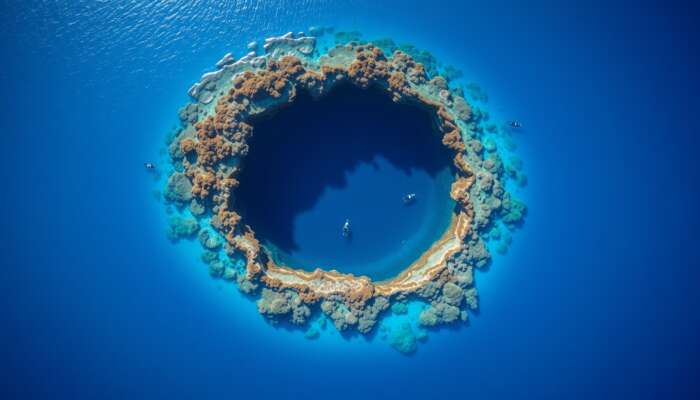
The Great Blue Hole is an awe-inspiring marine sinkhole that has developed over thousands of years. This geological marvel was originally a limestone cave during the last Ice Age, which was ultimately flooded by rising sea levels, resulting in its dramatic collapse.
This geological transformation led to the creation of a stunning circular hole that measures approximately 300 meters in diameter and 125 meters in depth, encircled by a spectacular ring of coral reefs.
The unique formation presents a fascinating blend of geological history and marine science. Its remarkable depth and distinctive shape provide exceptional opportunities for divers to explore various underwater formations, including captivating stalactites and stalagmites.
| Attribute | Measurement |
|---|---|
| Diameter | 300 meters |
| Depth | 125 meters |
| Age | Over 10,000 years |
What Types of Marine Life Thrive in the Rich Ecosystem of the Great Blue Hole?
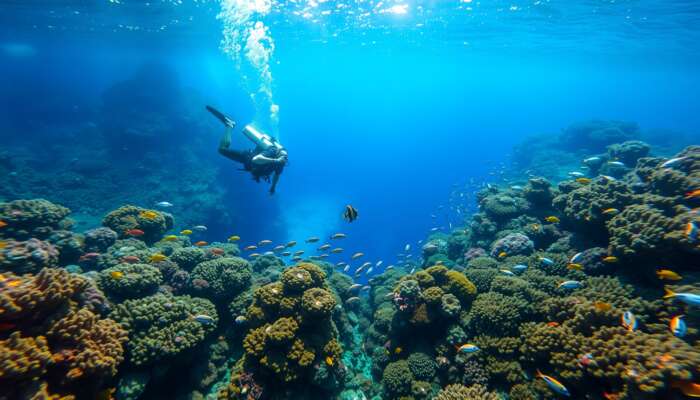
The marine ecosystem within the Great Blue Hole is a vibrant tapestry teeming with life. This prime diving destination hosts an impressive array of species, including nurse sharks, reef sharks, and various types of rays.
As you plunge into the depths, you will encounter colourful coral formations that serve as habitats for numerous fish species, such as parrotfish, angelfish, and sometimes barracuda.
Moreover, unique species like the Caribbean reef shark and the magnificent frigatebird can often be spotted soaring above the entrance to the hole. This rich ecosystem draws divers from around the globe, showcasing the intricate complexities of marine life.
| Species | Habitat |
|---|---|
| Nurse Shark | Coral reefs |
| Reef Shark | Deep waters |
| Parrotfish | Coral formations |
Why Is the Great Blue Hole Renowned as a Premier Diving Spot Worldwide?
The Great Blue Hole has earned its place as a highly sought-after diving location. Its unique shape, breathtaking depth, and abundant marine life create an unmatched experience that divers treasure.
The visual appeal of the hole is characterised by stunning contrasts of deep blue water against glowing turquoise shallows, offering an exceptional backdrop for underwater exploration. Accessibility is also crucial, as numerous dive operators provide guided excursions to this iconic site.
For many divers, the chance to swim alongside large marine species adds an exhilarating dimension to their adventure. The mystique surrounding the Great Blue Hole, combined with captivating tales of its geological history, enhances its allure as a top diving destination globally.
- Depth: 125 meters
- Diameter: 300 meters
- Unique geological features: stalactites and stalagmites
- Accessibility: multiple dive operators
- Marine encounters: nurse sharks and rays
What Diving Equipment Is Crucial for Your Adventure in the Great Blue Hole?
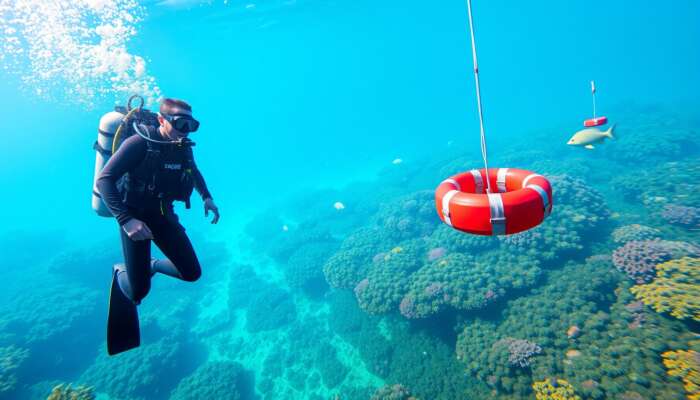
Having the appropriate diving equipment is essential for a safe and enjoyable diving experience. Here are some crucial items you should consider bringing along:
- Mask and Snorkel: A properly fitted mask and comfortable snorkel are vital for maximising visibility underwater.
- Fins: These are essential for providing propulsion and enhancing manoeuvrability while diving.
- Wetsuit or Drysuit: Choose based on water temperature to ensure protection and comfort.
- BCD (Buoyancy Control Device): This device aids in controlling buoyancy underwater, ensuring a smoother dive.
- Regulator: This essential piece converts high-pressure air from your tank into breathable air.
- Dive Computer: Tracks depth and time underwater for safety.
- Weights: Necessary for achieving neutral buoyancy, aiding in a comfortable diving experience.
- Surface Marker Buoy: This signals your position for safety during your ascent.
How to Choose the Ideal Wetsuit for Your Diving Experience?
Selecting the right wetsuit is crucial for ensuring comfort and safety while diving. When choosing your wetsuit, consider both thickness and material.
Wetsuits typically range from 1mm to 7mm in thickness. Thicker suits offer more insulation for colder waters, while a 3mm wetsuit is often adequate for the warm waters of Belize.
A good fit is vital for comfort. Ensure your wetsuit fits snugly without being overly tight, retaining body heat while allowing for unrestricted movement. Look for high-quality neoprene that offers flexibility and durability.
What Safety and Enjoyment Benefits Do Dive Computers Provide?
Utilising a dive computer significantly enhances your diving experience. These devices monitor depth and dive time in real-time, providing immediate feedback on your dive profile.
Unlike traditional dive tables, dive computers automatically calculate no-decompression limits, which is particularly beneficial in unique locations like the Great Blue Hole.
Features such as ascent rate alarms notify divers if they are ascending too quickly, thereby preventing decompression sickness. Many models also include logbooks to track dive information and analyse progress over time, making them invaluable tools for divers.
What Expert Insights Can Elevate Your Diving Adventure in the Great Blue Hole?
What Memorable Stories Do Experienced Divers Share About Their Dives?
Diving at the Great Blue Hole can create unforgettable memories. Many divers share their thrilling stories, which serve as both inspiration and guidance for others.
One diver recalls their first dive, describing the exhilarating moment they descended into the deep blue waters. The sight of nurse sharks gliding gracefully through the water left them in awe, fostering a deep appreciation for these magnificent creatures.
Another diver emphasised the importance of proper buoyancy control and effective communication with their dive buddy, showcasing the critical nature of preparation and training before embarking on such an adventure.
What Practical Steps Should You Follow to Ensure Effective Dive Planning?
Planning your dive is essential for ensuring a safe and enjoyable experience. Consider the following practical steps:
- Research Dive Operators: Seek out reputable operators with extensive experience and positive reviews.
- Check Weather Conditions: Aim for calm seas and clear skies for optimal diving conditions.
- Review Dive Itinerary: Familiarise yourself with the dive plan and safety protocols.
- Ensure Proper Equipment: Double-check your gear for functionality and proper fit before your dive.
- Consider Dive Insurance: Invest in dive insurance for peace of mind throughout your adventure.
What Critical Safety Precautions Should You Prioritise While Diving?
Safety is crucial when diving, especially in unique locations like the Great Blue Hole. Conduct thorough pre-dive checks, including equipment inspection and clear communication with your dive buddy.
Maintain proper buoyancy control to avoid accidents and closely monitor your air supply. Ascending too quickly can lead to decompression sickness, so adhere to safe ascent rates at all times.
Divers should never underestimate the significance of staying within their comfort limits. If you feel anxious or uncertain, it is perfectly acceptable to remain at the surface and observe from above.
What Are the Optimal Seasons for Diving at the Great Blue Hole?
The best time to dive at the Great Blue Hole generally falls between late November and mid-April. During this dry season, calm waters and optimal visibility create ideal conditions for underwater exploration and adventure.
The wet season, spanning from June to November, introduces rougher seas but also presents unique opportunities, such as the migration of whale sharks in April and May.
Understanding the seasonal conditions enables divers to choose the optimal time to embark on their adventures, maximising their overall experience at the Great Blue Hole.
What Essential Gear Should Every Diver Bring Along for a Successful Dive?
Having the right equipment can greatly influence your dive experience. Here’s a comprehensive list of must-have gear:
- Wetsuit: Provides thermal protection and reduces the risk of injury.
- Dive Computer: Tracks dive metrics to ensure safety and compliance.
- Regulator: An essential piece for optimal breathing underwater.
- Surface Marker Buoy (SMB): Enhances safety during your ascent.
- Fins: Enable efficient movement through the water, reducing fatigue.
- Mask and Snorkel: Crucial for clear visibility and ease of breathing.
- Weight System: Important for achieving neutral buoyancy and comfort.
- Underwater Camera: Captures unforgettable memories of your diving adventure.
How to Prepare Effectively for Your Diving Adventure at the Great Blue Hole?
What Pre-Dive Training Should You Consider for Skill Enhancement and Confidence?
Pre-dive training is essential for improving your skills and boosting confidence. Consider enrolling in a certification course that covers buoyancy control, underwater navigation, and emergency procedures.
Practising specific skills in controlled environments, such as swimming pools, can significantly enhance your comfort level for real-world diving scenarios. Understanding the unique aspects of diving in locations like the Great Blue Hole is crucial for a successful experience.
Investing time in pre-dive training ensures you are well-prepared for your underwater adventure, allowing you to fully relish the experience.
How Can You Effectively Manage Underwater Pressure During Your Dive?
Managing underwater pressure is a critical skill for divers. Understanding how to equalise your ears while descending is essential for comfort and safety.
The Valsalva manoeuvre is a widely used method for equalising pressure. Practising this technique will help you become adept at equalising as you descend.
Descend slowly and allow your body ample time to adjust to the changing pressure. Always adhere to safe ascent rates, making a stop at 5 meters for three minutes to avoid potential issues.
The Article Great Blue Hole Diving Guide: Tips for Exploring Belize appeared first on Belize Travel Guide
The Article Diving Guide to the Great Blue Hole: Explore Belize Tips Was Found On https://limitsofstrategy.com