Your Comprehensive Guide to Vitamin D Blood Testing in the UK
What exactly is a vitamin D blood test?
Private Vitamin D Blood Test in Derby: A vitamin D blood test measures the levels of vitamin D in your bloodstream through a simple blood draw. Many clinics in Derby adhere strictly to NHS protocols, ensuring accuracy and reliability during testing. By following these guidelines, individuals can promptly identify any deficiencies, which facilitates timely interventions that can significantly enhance overall health outcomes.
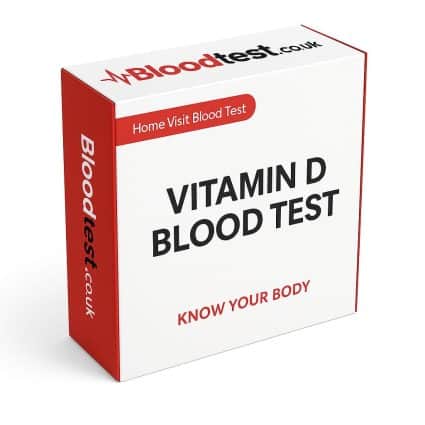

This proactive approach is vital for effective health monitoring, especially in areas like Derby, where seasonal weather can greatly limit sunlight exposure, thus negatively affecting vitamin D synthesis.
Recognising the symptoms of vitamin D deficiency
Common signs of vitamin D deficiency include persistent fatigue, bone pain, and muscle weakness, which are particularly prevalent within the UK, including Derby. The region's often cloudy skies can increase the risk of deficiency for many residents. If you encounter these symptoms, it is crucial to consult your local GP for a tailored assessment of your vitamin D status and the necessary measures to correct any deficiencies detected.
What is the recommended frequency for testing in the UK?
The recommended frequency of vitamin D testing can vary based on several individual factors affecting residents in Derby and the broader UK context. Important considerations include:
- Age: Older adults may require more frequent evaluations to effectively monitor their vitamin D levels.
- Lifestyle: Individuals who engage in limited outdoor activities should consider regular assessments to maintain optimal health.
- Sunlight exposure: Derby residents should be especially cautious during winter months when sunlight is scarce, potentially leading to deficiencies.
- Health conditions: Pre-existing medical issues may necessitate more diligent monitoring of vitamin D levels to ensure overall health.
Following UK health recommendations for regular testing can help ensure optimal vitamin D levels, which in turn supports health and well-being throughout the community.
How to effectively interpret vitamin D blood test results
Understanding your vitamin D blood test results is essential for effective health management. NHS guidelines classify vitamin D levels into three categories: deficient (below 25 nmol/L), insufficient (25-50 nmol/L), and sufficient (above 50 nmol/L). For those living in Derby, grasping these classifications can help inform health implications and encourage timely medical advice for any necessary corrective actions, ultimately benefiting your long-term health.
What Is the Process for a Vitamin D Blood Test?
Understanding the test procedure
The procedure for obtaining a vitamin D blood test in Derby is relatively straightforward and involves a simple blood sample collection. Typically conducted in local laboratories, the procedure adheres to UK hygiene and efficiency standards. A qualified healthcare professional will draw blood from your arm using a small needle, and the sample is then sent to a laboratory for thorough analysis. This process ensures a smooth experience for patients seeking reliable diagnostic information regarding their vitamin D levels.
Why does timing matter in vitamin D testing?
Timing plays a crucial role in the accuracy of vitamin D testing. Seasonal changes can drastically affect vitamin D levels, especially in Derby, where sunlight availability declines during the winter months. Ideally, testing should take place in late spring or summer when sunlight exposure is more abundant, providing a more accurate depiction of your vitamin D status throughout the year. This practice enhances the reliability of your results and supports informed health decisions.
How to interpret your test results effectively
Interpreting lab reports from Derby facilities empowers individuals to manage their health effectively. Upon receiving your results, you will learn your vitamin D level in nanomoles per litre (nmol/L). Familiarising yourself with UK reference ranges will aid in understanding your position and identifying actions required to improve your vitamin D status. This knowledge enables informed health choices that can enhance overall well-being.
Expert Perspectives on Vitamin D Blood Testing in Derby
Key elements that affect test accuracy
Several critical factors can influence the accuracy of vitamin D blood tests in Derby. Environmental conditions, such as local air quality and dietary habits, significantly affect vitamin D levels. For instance, individuals whose diets lack adequate fatty fish or fortified foods may show lower vitamin D concentrations. Research conducted in the UK highlights that considering these factors can facilitate precise measurements and contribute to improved health outcomes for the local population.
Why early detection is beneficial
Early identification of vitamin D deficiency can have a profound impact on overall health. Experts advocate for proactive strategies, such as community awareness programmes in Derby, aimed at educating residents about the critical importance of testing. Recognising deficiencies early on not only helps prevent severe health complications but also fosters a culture of wellness, effectively reducing the risks associated with low vitamin D levels throughout the community.
Debunking common myths surrounding vitamin D testing
Despite the critical nature of vitamin D testing, numerous misconceptions persist. A common myth is that only symptomatic individuals require testing. Experts clarify that even those without symptoms in Derby, particularly during the winter months when sunlight exposure is limited, should consider regular evaluations. Understanding these facts can alleviate unnecessary fears and promote a healthier community focused on well-being and proactive health management.
How to interpret vitamin D test results accurately
Expert guidance emphasises the importance of context when interpreting vitamin D blood test results. Factors such as local environmental conditions and individual health profiles significantly influence interpretation. For residents of Derby, engaging with healthcare professionals can provide personalised insights, leading to tailored recommendations that align with specific health needs and lifestyle choices, ultimately enhancing individual wellness.
What Advantages Does Vitamin D Testing Offer?
In what ways does it support bone health?
Vitamin D plays a vital role in maintaining robust bone health, especially given the UK's variable climate. Regular testing in Derby allows healthcare providers to accurately assess vitamin D levels and recommend adequate supplementation when necessary. By ensuring sufficient vitamin D intake, residents can significantly decrease their risk of fractures and osteoporosis, thus promoting long-term skeletal health and vitality.
What effects does it have on immune function?
Vitamin D levels assessed in Derby clinics correlate with improved immune function. Sufficient vitamin D can enhance the immune system's capability to combat common illnesses, particularly during winter when colds and flu are more prevalent. Incorporating vitamin D-rich foods into daily diets, such as fatty fish and fortified dairy products, can further strengthen this essential aspect of health and provide necessary protection against seasonal illnesses.
What are the long-term health benefits?
Consistent monitoring of vitamin D can yield long-lasting benefits, including improvements in mood and energy levels. Research relevant to Derby residents indicates that individuals maintaining optimal vitamin D levels experience reduced fatigue and increased vitality. This proactive health approach empowers individuals to achieve improved overall well-being through regular testing and appropriate lifestyle choices, ultimately enhancing quality of life.
Research-Supported Benefits of Vitamin D Blood Testing in Derby
Findings from UK studies on vitamin D deficiency
Research indicates that the population in Derby faces an elevated risk of vitamin D deficiency. Actionable recommendations derived from these findings advocate for regular testing, particularly for individuals at risk due to lifestyle or health factors. Experts stress the importance of dietary modifications and supplementation to effectively address low vitamin D levels and cultivate a healthier community through informed health practices.
How testing contributes to disease prevention
Clinical trials conducted in the UK have demonstrated that regular vitamin D testing is crucial for disease prevention. For instance, studies highlight the link between adequate vitamin D levels and a reduced risk of osteoporosis among Derby residents. By addressing deficiencies early through testing, individuals can effectively mitigate these health risks, promoting better long-term outcomes and enhancing community health.
The connection between vitamin D and mental health improvements
- Lower rates of depression have been associated with adequate vitamin D levels.
- Enhanced cognitive function correlates with improved vitamin D status.
- Reduced anxiety symptoms are observed among individuals receiving sufficient vitamin D.
- Overall, better mental well-being is reported in those who maintain optimal vitamin D levels.
These findings guide Derby residents in seeking support and monitoring their vitamin D levels for potential mental health benefits, fostering a holistic approach to health and wellness.
Why Is Vitamin D Testing Critical in the UK?
What impact does weather have on deficiency rates?
The erratic weather patterns in Britain, particularly in Derby, significantly contribute to low vitamin D levels. Insufficient sunlight during prolonged winter periods places many residents at risk of deficiency. Testing becomes especially vital for at-risk groups, such as older individuals, who may lack adequate sunlight exposure to naturally produce sufficient vitamin D, thereby necessitating proactive health measures.
How can you incorporate testing into your routine?
Incorporating regular testing into your health routine is achievable within Derby's healthcare framework. Numerous local clinics offer convenient options for vitamin D testing, making it easy for residents to prioritise their health. Setting reminders for annual evaluations or coordinating testing with regular health appointments can help ensure that monitoring becomes a seamless aspect of daily life, ultimately improving individual health management.
What are the potential risks of overlooking symptoms?
Ignoring symptoms of vitamin D deficiency can lead to serious health consequences, including bone disorders and chronic fatigue. In Derby, early intervention is crucial to avert complications, especially for individuals showing signs of deficiency. Consulting healthcare providers for timely testing can help protect against these risks and encourage proactive healthcare management, ensuring a healthier community.
What are the benefits of early detection?
Identifying vitamin D deficiencies early can help prevent severe health issues such as bone disorders or persistent fatigue. For Derby residents, who may spend considerable time indoors, early testing empowers individuals to take control of their health. This proactive management enhances their quality of life through informed decisions and timely interventions, contributing to overall community wellness.
What are the latest UK guidelines and recommendations?
Current NHS and Public Health England guidelines advocate for regular vitamin D testing, especially for individuals residing in regions like Derby that experience limited sunlight. They recommend routine checks for vulnerable populations, including children, pregnant women, and the elderly. Following these guidelines can help alleviate national health burdens through informed supplementation and lifestyle adjustments, ultimately benefiting public health.
How to Access Vitamin D Blood Testing Services in Derby
Where can you locate local testing facilities?
Local testing facilities in Derby encompass NHS clinics and private laboratories, providing convenient access to vitamin D blood tests. Residents can easily locate and schedule appointments, ensuring timely evaluations of their vitamin D status. This accessibility supports community health initiatives aimed at enhancing awareness and encouraging proactive management of vitamin D levels, fostering a healthier population.
What are the costs and NHS coverage options?
The costs associated with vitamin D testing can vary across the UK, including Derby. The NHS may cover many tests for individuals identified as at risk, while private options are also available for those seeking quicker results. Understanding the financial aspects can assist patients in navigating affordable pathways to ensure they receive essential testing without incurring significant expenses, ultimately promoting health equity.
What follow-up care is available after receiving results?
Post-test support in Derby is readily available through NHS services, offering personalised advice to effectively manage test outcomes. Healthcare professionals can provide guidance on appropriate actions based on your results, including dietary adjustments or supplementation, to ensure comprehensive care tailored to your individual health needs and lifestyle, enhancing overall health management.
How to prepare for vitamin D blood tests in Derby
Preparing for a vitamin D blood test in Derby involves several straightforward steps. Patients might be advised to fast for a few hours before their appointment, and it is essential to inform the healthcare provider about any medications or supplements currently being taken. Knowing what to expect during the appointment, including the testing procedure and any potential discomfort, can help alleviate anxiety and ensure a smooth experience. Engaging with local NHS services can further streamline the process, making it convenient and efficient for residents.
Understanding vitamin D test results
Interpreting vitamin D blood test results is crucial for effective health management in Derby. Normal ranges are typically considered to be above 50 nmol/L, with levels below this indicating deficiency. Recognising these thresholds, along with their potential health implications, guides follow-up care within UK health systems, promoting informed choices for a healthier lifestyle and improved public health outcomes.
Frequently Asked Questions
What constitutes the normal range for vitamin D levels?
The normal vitamin D level range is generally considered to be above 50 nmol/L. Levels below this threshold may signal a deficiency, necessitating further evaluation and potential intervention to improve health.
How can I elevate my vitamin D levels?
You can increase your vitamin D levels through dietary sources, such as oily fish, fortified foods, and egg yolks, as well as safe sun exposure, particularly during sunnier months, to ensure adequate vitamin D synthesis.
Who should consider getting a vitamin D blood test?
Individuals at heightened risk of deficiency, including the elderly, those with limited sun exposure, and those with certain health conditions, should consider regular vitamin D blood testing to support optimal health management and prevent complications.
Is it safe to take vitamin D supplements without testing?
While taking vitamin D supplements is generally considered safe, it is advisable to undergo testing first to determine the appropriate dosage and prevent potential toxicity from excessive intake, ensuring safe health practices.
What is the typical turnaround time for test results?
Results from vitamin D blood tests typically take a few days to a week to be processed, depending on the laboratory's handling time and the specific testing facility used, allowing for timely health decisions.
Are there any risks associated with vitamin D testing?
Vitamin D testing is generally safe, with minimal risks. The most common risk is mild discomfort or bruising at the blood draw site, which usually resolves quickly, making it a simple procedure.
Is vitamin D testing available at local pharmacies?
Some local pharmacies in Derby may offer vitamin D testing; however, it is essential to check with individual locations for availability and the range of services they provide to ensure convenient access.
Will my NHS prescription cover vitamin D supplements?
In certain cases, NHS prescriptions may cover vitamin D supplements for individuals identified as at risk, such as those with diagnosed deficiencies. It is advisable to consult your GP for detailed information regarding coverage and eligibility.
Can children undergo vitamin D blood tests?
Yes, children can receive vitamin D blood tests, especially if they are at risk for deficiency due to insufficient dietary intake or limited sun exposure. Consulting with a paediatrician is recommended for best practices and to ensure safe testing.
What are the best dietary sources of vitamin D?
Some of the most effective dietary sources of vitamin D include oily fish (such as salmon and mackerel), fortified dairy products, and egg yolks, which can help maintain adequate vitamin D levels and support overall health.
Connect with us on Facebook!

This Article Was First Found On https://bloodtest.co.uk
The Article Vitamin D Blood Test: Essential Information for Derby Residents found first on https://electroquench.com