Your Ultimate Guide to the FBC Test in Middlesbrough
What Are the Essential Functions of the FBC Test?
Private FBC Test In Middlesbrough: The FBC test, known as the full blood count, serves as a crucial diagnostic tool extensively utilised in UK hospitals, particularly within Middlesbrough. This essential test evaluates various blood components, including red blood cells, white blood cells, and platelets. A detailed analysis of these components is vital for detecting health issues that might otherwise go unnoticed. Healthcare professionals in Middlesbrough rely on the FBC test results to identify conditions such as anaemia, infections, and diverse haematological disorders at their earliest stages, thereby enabling prompt intervention and management.
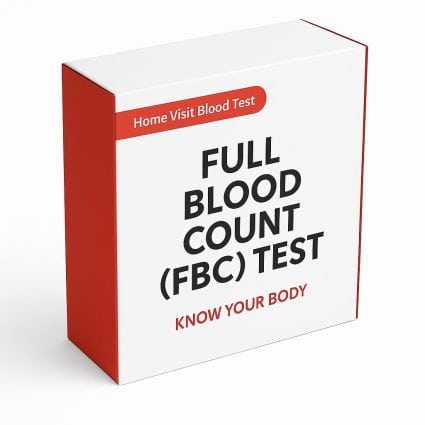

By delivering a comprehensive overview of a patient’s health, the FBC test significantly enhances the early detection and management of potential medical issues, thus improving the quality of patient care across the region. The insights garnered from an FBC test not only inform treatment plans but also assist in the continuous monitoring of chronic conditions. For example, individuals diagnosed with diseases like diabetes or kidney disease often undergo FBC tests regularly to evaluate their health status and the effectiveness of ongoing treatments. This regular assessment permits clinicians in Middlesbrough to make necessary adjustments to treatment strategies, ensuring that care is personalised to meet each patient’s unique needs and circumstances.
How Has FBC Testing Advanced in the UK?
The history of FBC testing in the UK dates back to the mid-20th century, a period marked by significant advancements in medical technology that improved laboratory processes. Initially, blood counts were conducted manually, a process that was both time-consuming and labour-intensive. However, the introduction of automated analysers transformed this practice, leading to substantial improvements in the efficiency and accuracy of FBC tests. Laboratories in Middlesbrough have greatly benefited from these technological advancements, allowing for quicker sample processing with enhanced precision.
Over the years, FBC testing has become a fundamental aspect of routine health assessments throughout the UK, including in Middlesbrough. This evolution signifies not only a technological leap but also a change in clinical methodologies. Healthcare providers have increasingly acknowledged the essential role that comprehensive blood counts play in diagnosing a wide array of conditions. This heightened awareness has resulted in a remarkable increase in demand for this indispensable test. Furthermore, the implementation of rigorous quality control measures and accreditation standards in Middlesbrough has fortified the reliability of FBC testing, ensuring that patients receive accurate and timely results consistently.
What Are the Frequent Applications of the FBC Test?
In the UK, FBC tests are extensively utilised in healthcare settings, acting as a foundational resource for monitoring chronic conditions. Clinics in Middlesbrough integrate these tests into their practices to formulate treatment plans that are specifically tailored to each patient’s blood profile and presenting symptoms. For instance, patients with conditions such as liver disease or autoimmune disorders gain substantial benefits from regular FBC testing, which allows healthcare professionals to track changes in their blood composition over time.
Moreover, FBC tests are essential for evaluating overall health, particularly before surgical procedures or during routine health check-ups. They help identify underlying issues that could complicate treatment or recovery. By continuously monitoring haemoglobin, white blood cell, and platelet counts, clinicians in Middlesbrough can make informed decisions regarding patient management. Additionally, FBC tests are crucial in screening for potential infections, facilitating timely intervention and effective management.
How to Prepare Thoroughly for an FBC Test in Middlesbrough?
Preparing for an FBC test in Middlesbrough involves several important steps to ensure accuracy and reliability. Patients are generally advised to fast for 8-12 hours before the test. This fasting period helps eliminate any factors that could compromise the quality of the blood sample. In addition to fasting, individuals must inform their General Practitioner (GP) about all medications they are currently taking, as some may affect blood counts and yield misleading results.
Local NHS centres in Middlesbrough provide clear and comprehensive guidelines regarding test preparations. Patients are encouraged to remain well-hydrated, as proper hydration can facilitate a smoother blood draw and enhance the quality of the sample collected. Waiting areas are equipped with resources to address any inquiries patients may have about the procedure, ensuring they feel informed and comfortable before undergoing their FBC test.
What Is the Procedure for Interpreting FBC Test Results in Middlesbrough?
Interpreting FBC test results necessitates a meticulous analysis of blood components against established UK reference ranges. In Middlesbrough, healthcare providers closely examine these values to identify potential health issues, such as low haemoglobin levels, which may indicate anaemia, or elevated white blood cell counts, suggesting infection or inflammation. Each component of the FBC provides vital insights into a patient’s health status, enabling customised diagnostic approaches tailored to individual needs.
Healthcare professionals utilise these interpretations to facilitate early diagnoses, guiding treatment strategies that cater to specific patient requirements. For instance, a patient exhibiting low platelet counts may require further investigation to uncover the underlying cause. Conversely, a patient with elevated white blood cell counts may need immediate intervention to manage an infection. The ability to accurately interpret these results is essential for improving overall patient outcomes, and the expertise of clinicians in Middlesbrough significantly enhances the quality of care provided within the community.
What Are the Steps Involved in the FBC Testing Process in the UK?
Which Key Equipment Is Required to Conduct an FBC Test?
Conducting an FBC test in UK healthcare facilities necessitates specific laboratory equipment to ensure both precision and efficiency. Automated analysers are commonplace in hospitals and laboratories across Middlesbrough, facilitating swift and accurate processing of blood samples. These machines streamline the testing process and reduce human error, thereby enhancing the reliability of test results.
In addition to automated analysers, other essential tools include sterile needles for blood collection, centrifuges for separating plasma from blood cells, and computer systems for managing sample tracking and data administration. The integration of cutting-edge technology within Middlesbrough’s medical establishments has propelled FBC testing into a new era, where results can be generated within minutes. This rapid turnaround is crucial for clinicians, who depend on timely information to make well-informed decisions regarding patient care.
What Are the Detailed Steps Involved in the FBC Testing Procedure?
The process for conducting an FBC test in UK medical centres begins with a blood draw, typically performed by a qualified healthcare professional using sterile needles. While the procedure is straightforward, it prioritises patient comfort and safety by adhering to stringent hygiene protocols. In Middlesbrough, practitioners ensure the environment is clean and that all equipment is properly sterilised to minimise the risk of infection.
Once the blood sample is collected, it is swiftly transported to an accredited laboratory for analysis. In Middlesbrough, these laboratories employ advanced automated systems to evaluate the blood components and generate results almost instantaneously. After testing, the results are thoroughly reviewed by trained professionals who interpret the data based on established reference ranges. This comprehensive process underscores the commitment to maintaining high standards of patient safety and accuracy within Middlesbrough’s healthcare environment.
What Safety Protocols Are Observed During the FBC Testing Process?
In the UK, rigorous guidelines govern the safety protocols during FBC testing to ensure the wellbeing of both patients and technicians. This encompasses the mandatory use of gloves and adherence to strict hygiene protocols, which practitioners in Middlesbrough diligently observe. Proper disposal of waste materials, such as needles and blood samples, is also a critical aspect of these safety measures.
Moreover, healthcare providers are trained to ensure a comfortable experience for patients. For instance, they may offer clear explanations of the testing process to alleviate any anxiety. Patients are encouraged to ask questions and express any concerns they may have, fostering a supportive environment. These protocols not only protect patients’ health but also enhance their overall experience during FBC testing in Middlesbrough.
How Are FBC Results Analysed in the UK?
In the UK, FBC results are analysed by qualified haematologists, who meticulously compare blood values against established reference ranges. In Middlesbrough, laboratories adhere to NHS standards throughout this process, ensuring that any abnormal indicators are thoroughly evaluated. This analysis is crucial for identifying health conditions such as anaemia, infections, or other haematological disorders.
Haematologists assess the results alongside the patient’s medical history and clinical symptoms. For example, if a patient presents with fatigue and low haemoglobin levels, the clinician might interpret these findings as indicative of anaemia, prompting further investigations. The collaborative nature of this process, involving consultation between haematologists and clinicians, guarantees a comprehensive approach to patient care, leading to accurate diagnoses and effective treatment plans.
What Valuable Insights Do Experts Provide on the FBC Test in Middlesbrough?
Expert Insights on the Accuracy of FBC Testing
Experts in UK pathology assert that the precision of the FBC test in Middlesbrough heavily relies on the quality of the sample collected. High-quality samples are paramount for reliable diagnostics, while improper handling can result in erroneous readings. Local studies illustrate that meticulous techniques, such as adhering to proper blood draw protocols, correlate directly with the accuracy of test outcomes.
For instance, a study conducted in Middlesbrough found that following standard operating procedures during blood collection significantly reduced the frequency of repeat tests necessitated by invalid results. This focus on precision not only enhances diagnostic reliability but also streamlines patient care by minimising unnecessary delays. Therefore, ensuring that all aspects of sample collection and analysis are executed flawlessly is crucial for achieving accurate FBC testing results.
Insights into the Interpretation of FBC Results
UK specialists advocate for a detailed approach when interpreting FBC test results, emphasising the importance of the patient’s medical history. In Middlesbrough, healthcare practitioners are encouraged to provide patients with actionable steps based on their results. For example, if a patient receives an abnormal count, the clinician will guide them through the potential implications of the findings and suggest follow-up actions.
Case studies from Middlesbrough highlight the significance of this approach. One notable instance involved a patient with elevated white blood cell counts, prompting further investigations that ultimately led to an early diagnosis of an infection. Such cases underscore the necessity for clinicians to cultivate open communication with patients, ensuring they understand what their results mean and how to proceed with their care.
Discussing Innovations in FBC Testing Technology
Ongoing advancements in FBC technology within the UK have profoundly transformed the landscape of diagnostic testing. In Middlesbrough, laboratories are increasingly adopting digital integration, which enhances the efficiency and accuracy of the testing process. These technological innovations enable more detailed data analysis, allowing healthcare providers to identify trends and patterns that inform clinical decision-making.
A significant development includes the use of artificial intelligence algorithms to analyse FBC data, providing deeper insights into potential health issues. This technology not only accelerates the diagnostic process but also supports healthcare professionals in delivering personalised care. As these advancements continue to unfold, the future of FBC testing in Middlesbrough appears promising, with the potential to improve patient outcomes and enhance healthcare delivery.
What Are the Key Advantages of the FBC Test?
How Does the FBC Test Facilitate Early Detection of Health Complications?
FBC tests play a critical role in the early identification of health complications within UK healthcare systems. They empower clinicians in Middlesbrough to detect serious conditions such as infections or anaemia before they escalate into more severe health issues. By routinely conducting FBC tests, healthcare providers can intervene promptly, ensuring that patients receive timely treatments tailored to their specific conditions.
For instance, early detection of low haemoglobin levels through an FBC test can initiate further investigations into underlying causes such as nutritional deficiencies or chronic illnesses. This proactive healthcare approach not only enhances individual patient outcomes but also contributes to a healthier community overall. By facilitating early interventions, FBC tests significantly improve the quality of care provided in Middlesbrough.
What Key Benefits Do Patients Derive from FBC Testing?
The FBC test offers numerous advantages for patients, particularly within the context of the UK, including Middlesbrough. One of its most significant benefits is the rapid insights it provides into blood health. This quick turnaround is especially advantageous for monitoring overall wellness and preventing complications among at-risk groups, such as the elderly or individuals with chronic conditions.
Moreover, FBC tests help establish a baseline of a patient’s health, which is invaluable for tracking changes over time. This longitudinal data is critical for detecting emerging health issues early, enabling timely medical interventions. The overall accessibility of FBC testing in Middlesbrough ensures that patients can easily incorporate these tests into their routine healthcare, fostering a culture of preventative health management.
What Are the Long-term Health Benefits of Regular FBC Testing?
The long-term health impacts of consistent FBC testing are substantial, especially within communities such as Middlesbrough. These tests facilitate early detection and effective management of a variety of conditions, leading to improved health outcomes over time. The key advantages of routine FBC testing include:
- Early identification of anaemia, enabling timely treatment and management.
- Monitoring immune function, which is crucial for patients with chronic illnesses.
- Assessment of nutritional status, identifying deficiencies that could impact overall health.
- Tracking changes in blood health over time, which aids in preventative care strategies.
By supporting sustained health management, FBC tests help reduce long-term health complications, empowering individuals in Middlesbrough to lead healthier lives.
What Are the Economic Benefits of FBC Testing in Healthcare?
The economic advantages of FBC testing within the UK healthcare system, particularly in areas like Middlesbrough, are significant. By enabling early detection and management of health conditions, FBC tests contribute to lowering overall treatment costs associated with advanced disease states. This proactive healthcare approach facilitates more efficient allocation of resources, ultimately resulting in cost savings for the healthcare system.
For instance, early interventions facilitated by FBC test results can prevent the need for more expensive treatments, such as hospitalisation or extensive surgical procedures. Additionally, the ability to regularly monitor patients’ health enables clinicians to make timely adjustments to treatment plans, optimising resource use and enhancing patient care. Overall, the economic benefits of FBC testing highlight its importance within the UK healthcare landscape.
What Research-Backed Benefits Are Associated with FBC Testing in Middlesbrough?
What Evidence Supports the Effectiveness of the FBC Test?
Research from various UK studies consistently demonstrates the effectiveness of the FBC test in diagnosing disorders. Data from Middlesbrough specifically highlight positive outcomes when FBC testing is utilised alongside other diagnostic tools and comprehensive health evaluations. For example, studies have shown that patients presenting with fatigue who underwent FBC testing received timely diagnoses of underlying conditions, such as anaemia or infections.
The reliability of FBC tests is reinforced by their capability to provide a broad overview of a patient’s health status. This comprehensive approach assists clinicians in making informed decisions regarding patient care, thereby improving health outcomes across the region. The ongoing utilisation and endorsement of FBC testing as a diagnostic tool are supported by its proven effectiveness in healthcare.
What Expert Recommendations Exist for FBC Testing Applications?
UK experts strongly endorse the use of FBC tests for routine health checks, emphasising their role in proactive disease management. In Middlesbrough, healthcare practitioners encourage individuals to integrate FBC testing into their personal health routines, particularly for those at risk of chronic diseases.
Actionable recommendations for proactive disease management include scheduling regular health screenings that encompass FBC tests, especially for individuals with a family history of blood disorders or those experiencing unexplained symptoms. By prioritising these tests, patients can take charge of their health, enabling earlier interventions and optimised management of existing conditions. The collaborative efforts between patients and healthcare providers in Middlesbrough can significantly enhance community health outcomes.
What Outcomes Can Be Expected from Regular FBC Testing?
The advantages of routine FBC testing are further underscored by UK trials that demonstrate improved health tracking in communities like Middlesbrough. Consistent monitoring of blood health allows for timely adjustments to lifestyle and treatment protocols in response to fluctuations in blood markers. This regular engagement with one’s health can lead to a variety of positive outcomes.
For instance, patients who participate in regular FBC testing are more likely to identify and address emerging health concerns before they escalate. Furthermore, this proactive approach fosters a culture of health awareness, motivating individuals to make informed lifestyle choices. By integrating regular FBC testing into routine health practices, communities in Middlesbrough can cultivate a healthier population overall.
How to Prepare for an FBC Test in the UK?
What Preparation Steps Should Patients Follow Before the Test?
Patients in the UK should adhere to several straightforward preparatory steps before undergoing an FBC test. In Middlesbrough clinics, following these guidelines can enhance the accuracy of test results. The most critical step is to fast for 8-12 hours prior to the procedure, as this ensures that any food or drink intake does not interfere with the blood sample.
Additionally, patients should inform their healthcare provider about any medications they are currently taking, including over-the-counter drugs and supplements. Certain medications can alter blood counts, potentially leading to misleading results. By disclosing this information to their GP, patients can help ensure that their FBC test results are as accurate as possible, which is essential for effective diagnosis.
What Practical Tips Can Assist in Preparing for an FBC Test?
Practical advice for preparing for an FBC test in UK settings includes several key considerations to enhance test accuracy. Patients in Middlesbrough health services are encouraged to maintain hydration prior to the test, as proper hydration can facilitate an easier blood draw and improve the quality of the sample collected.
Moreover, it is advisable to avoid certain medications that may affect blood counts, such as non-steroidal anti-inflammatory drugs (NSAIDs) or blood thinners, unless otherwise directed by a healthcare professional. Patients need to adhere to the specific guidelines provided by their healthcare provider to minimise factors affecting blood samples. By following these preparation tips, patients can contribute to the reliability of their FBC test results.
What Recommendations Should Patients Follow After the Test?
After undergoing an FBC test, patients in the UK are advised to rest and allow their bodies to recover, especially if they experienced any discomfort during the blood draw. In Middlesbrough, it is standard practice for patients to review their results with healthcare professionals, who can address any immediate concerns and discuss potential follow-up actions. This post-test consultation is vital to ensuring that patients understand their results and their implications for their health.
Following the test, individuals may notice slight bruising at the site of the blood draw, which is normal. If there are any unusual symptoms or concerns, patients are encouraged to contact their healthcare provider for guidance. Overall, post-test considerations are just as important as pre-test preparations, contributing to a comprehensive approach to patient care in Middlesbrough.
Key Insights on the FBC Test in Middlesbrough
Why Is the FBC Test Crucial for Health Management?
The FBC test is essential within UK medical routines, particularly in Middlesbrough, for promoting overall wellbeing. These tests yield critical data that inform personalised healthcare strategies and preventive measures. By regularly assessing blood components, clinicians can detect potential health issues early, facilitating timely interventions and optimised management of chronic conditions.
The significance of FBC testing extends beyond mere diagnostics; it empowers patients to take an active role in their health management. By comprehending the implications of their results, individuals can make informed decisions that support their long-term health. The integration of FBC tests into routine healthcare practices is fundamental to effective patient care in Middlesbrough.
How to Access FBC Testing Services Efficiently?
In the UK, accessing FBC testing services is straightforward, especially for residents of Middlesbrough. FBC tests are available through local GPs and clinics, making it convenient for individuals to schedule appointments. These healthcare facilities typically provide clear information on the testing process, including preparation guidelines and what to expect during the test.
Patients can request FBC tests during routine check-ups or if they exhibit symptoms that warrant investigation. The availability of these services promotes proactive health management within the community, ensuring that individuals can prioritise their blood health without unnecessary obstacles.
What Does the Future Hold for FBC Testing in the Region?
The future of FBC testing in the UK, particularly in regions like Middlesbrough, is characterised by emerging trends, such as the development of home sampling options. These innovations have the potential to transform access to health monitoring, granting patients greater flexibility in managing their health. Home sampling could provide an alternative for those unable to visit clinics due to mobility challenges or other constraints, ensuring that FBC testing remains accessible to all.
Additionally, technological advancements, including digital health platforms, will likely facilitate the integration of FBC testing into routine care. As healthcare continues to evolve, the emphasis on patient-centric approaches and preventative monitoring will shape the future landscape of FBC testing in Middlesbrough, ultimately leading to improved health outcomes for the community.
Frequently Asked Questions About the FBC Test
What Exactly Is an FBC Test?
An FBC test, or full blood count, measures various components of your blood, including red blood cells, white blood cells, and platelets, providing crucial insights into your overall health.
How Long Does It Take to Complete an FBC Test?
The actual blood draw for an FBC test is quick, usually taking only a few minutes. However, results may take a few hours to a few days, depending on the laboratory processing time.
Is Fasting Necessary Before an FBC Test?
Yes, fasting for 8-12 hours before an FBC test is typically recommended to ensure accurate results, especially for certain blood components.
What Should I Inform My Doctor About Prior to the Test?
You should inform your doctor about any medications, supplements, or underlying health conditions you have, as they may affect your test results.
Are There Any Risks Associated with an FBC Test?
The risks are minimal, but may include slight bruising or discomfort at the blood draw site. Serious complications are rare.
How Often Should I Get an FBC Test?
The frequency of FBC testing depends on individual health needs. It is often recommended annually for healthy individuals, with more frequent testing for those with chronic conditions.
Can I Eat or Drink Before an FBC Test?
You should avoid eating or drinking anything other than water for at least 8-12 hours before the test to ensure optimal accuracy.
What Do Abnormal FBC Results Indicate?
Abnormal FBC results can indicate various health issues, including infections, anaemia, or other blood disorders. Your healthcare provider will interpret the results and recommend further action.
How Can I Access FBC Testing in Middlesbrough?
You can access FBC testing through your local GP or health clinic in Middlesbrough. Schedule an appointment to discuss your health concerns and request the test.
What Is the Cost of an FBC Test?
In the UK, FBC tests are generally covered by the NHS, meaning there may be no cost to patients referred by their GP. Private testing options may incur fees.
Join our community on Facebook!
This Article Was First Found On https://bloodtest.co.uk
The Article FBC Test Tips and Key Information for Middlesbrough found first on https://electroquench.com