Critical Actions for Homeowners in Wollongong, Dapto, Shellharbour, Figtree, and Corrimal When Experiencing Gas Odours or Suspected Leaks
Act Immediately: Upon detecting a gas smell, stop what you are doing and adhere to these four vital steps. Firstly, evacuate all individuals, including pets, from the property. Do not operate any light switches, power outlets, or devices that may generate a spark. If it is safe, open doors and windows while exiting. Once you are outside, reach out to a qualified gas fitter. If the odour is strong or anyone feels unwell, prioritise safety by calling 000 without delay.
If the smell is faint or you are uncertain, please take a moment to review the following instructions.
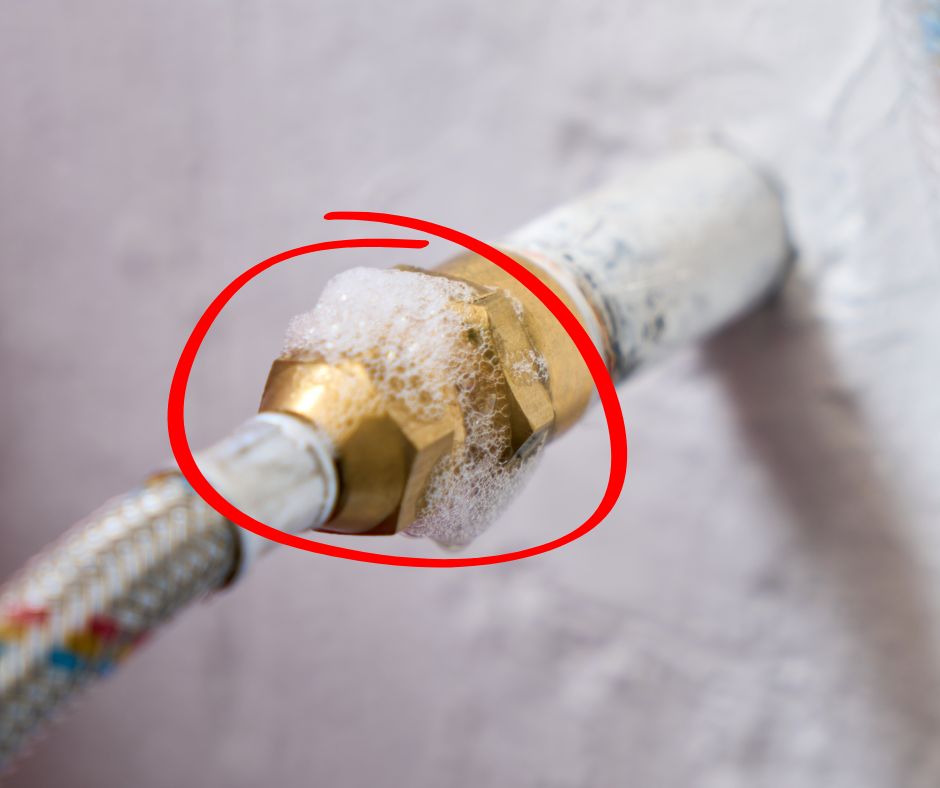
How Can You Detect a Gas Leak in Your Home?
Key Insight: Rely on your sense of smell. Natural gas and LPG are odourless; the distinctive rotten-egg scent is attributed to mercaptan, an additive specifically included for leak detection. If you observe any signs, it is crucial to respond quickly.
Common signs that indicate a gas leak include:
- A rotten egg or sulphur-like odour, especially near appliances, the gas meter, or BBQ connections.
- A hissing or whistling noise coming from a gas pipe, fitting, or appliance.
- A pilot light that frequently goes out.
- Indoor plants wilting unexpectedly near a gas line.
- Multiple individuals in the residence reporting symptoms such as headaches, dizziness, nausea, or unusual fatigue.
- A noticeable spike in your gas bill without a corresponding change in usage.
It is unnecessary to witness all these signs; even one is enough to warrant immediate action.
Your Essential 10-Minute Emergency Response Plan
Quick Overview: Evacuate everyone from the building, refrain from using any electrical devices, open doors and windows if safe to do so, turn off the gas at the meter if accessible, and then contact a licensed gas fitter from a safe location. If the odour is strong or anyone feels unwell, call 000 first.
Follow these steps sequentially without omission.
- Evacuate Everyone. This includes adults, children, and pets. Move outside and position yourself upwind if there is any breeze.
- Refrain from Using Light Switches. Avoid using any light switches, power outlets, or phone chargers. Steer clear of starting vehicles parked in the garage. A spark in a gas-rich environment can ignite a fire.
- Open Doors and Windows as You Exit. Only do this if it forms part of your exit route. Do not make unnecessary trips through the house to ventilate.
- If Safe, Turn Off the Gas at the Meter. The valve is typically a quarter-turn handle located next to the meter outside. Rotate it 90 degrees so that the handle is perpendicular to the pipe.
- Contact a Licensed Gas Fitter from Outside. Use your mobile phone from the pavement rather than the home phone.
- If the Smell is Strong, You Feel Unwell, or Hear Hissing, Call 000 First. The fire brigade will secure the property, and you can reach out to us afterwards.
- Do Not Re-enter the Property until a licensed gas fitter has assessed the situation and confirmed it is safe.
That’s it. Ten minutes, clear actions.
When Should You Seek Immediate Help?
Key Insight: Call 000 if the gas smell is strong, you hear hissing, anyone feels unwell, or the leak is near an ignition source. A faint odour near a single appliance without symptoms warrants a same-day call-out, but is not classified as an emergency. When in doubt, treat it as an emergency.
Consider it an emergency (call 000 first, then us) if you notice:
- A strong, persistent smell that does not dissipate.
- The sound of hissing.
- Anyone in the household experiencing dizziness, illness, or difficulty breathing.
- A visible flame in an inappropriate location.
- A leak near any ignition sources, such as a heater, stove pilot, or hot water unit.
You can wait for a same-day visit from a licensed gas fitter if:
- The smell is faint and isolated to one appliance.
- You have turned off the gas at the meter and the odour is diminishing.
- No one is exhibiting symptoms and there is no hissing sound.
If you are uncertain about your situation, always err on the side of caution and treat it as an emergency. We would prefer to investigate and find nothing rather than overlook a potential hazard.
Understanding the Legal Requirements for DIY Gas Work in NSW
Key Insight: In New South Wales, only licensed gas fitters are permitted to install, modify, repair, or disconnect gas pipes, appliances, or fittings. Licences are issued under NSW Fair Trading, and all work must comply with AS/NZS 5601 standards. Undertaking unlicensed gas work is a prosecutable offence.
This is not merely a formal requirement. Unlicensed gas work can result in serious legal repercussions. More importantly, gas leaks stemming from DIY connections are a common cause of service calls. A faulty DIY installation, particularly one concealed behind an appliance, can leak unnoticed for months.
If you have acquired a property and are unsure whether prior work was conducted by a licensed gas fitter, it is essential to have it examined. Request receipts and a gas compliance certificate to confirm appropriate installation.
You can verify whether a tradesperson possesses a valid NSW gas fitting licence by consulting the NSW Fair Trading public licence register.
What Can You Expect When Our Team Arrives at Your Home?
Quick Overview: We will isolate the gas at the meter, employ electronic leak detection (not merely soapy water), perform a pressure test on the line, rectify any identified issues, re-test the entire system, and provide a gas compliance certificate before leaving.
When one of our licensed gas fitters arrives at your premises:
- We start by isolating the gas at the meter and ensuring the supply is off.
- We utilise electronic gas leak detection equipment to accurately identify leaks, eliminating the uncertainty associated with soapy water. This enables us to locate the exact source of a leak.
- We carry out a pressure test on the line to determine where gas is escaping.
- We repair or replace any faulty sections, pipes, joints, fittings, or appliance connections.
- We conduct a thorough re-test of the entire system to ensure no additional leaks are present.
- We issue a gas compliance certificate, which serves as proof that the work has been completed to standard by a licensed gas fitter. Retain this document with your property records, as insurers and future buyers may require it.
We do not complete our service until the system successfully passes a full pressure test.
Common Sources of Gas Leaks in Homes Throughout Wollongong
Key Insight: Typical origins of gas leaks include ageing galvanised or copper piping in homes older than 40 years, outdated appliances, DIY installations for stoves and BBQs, weather-related damage to outdoor gas lines, ground movement, and surprisingly, rodents gnawing on flexible hoses.
We often receive inquiries regarding these issues in Wollongong, Dapto, Shellharbour, Figtree, and Corrimal. The usual causes include:
- Older Homes with Original Gas Pipework. Many properties in the Illawarra are over 40 years old, and original galvanised or copper fittings decay over time.
- Ageing or Defective Appliances. Older gas heaters, stoves, and hot water units frequently develop leaks at their inlet connections.
- DIY Installations. This is a common scenario where someone has replaced a stove or connected a new BBQ line without the expertise of a licensed gas fitter. Hand-tightened compression fittings are prone to leaks.
- BBQ and Outdoor Kitchen Connections. Outdoor gas points are susceptible to weather exposure and accidental damage. The flexible hose connecting to the BBQ is a frequent point of failure.
- Ground Movement and Subsidence. Shifts in the ground can place stress on underground gas lines, particularly in older properties built on clay soil.
- Rodent Damage. Yes, it’s true. Mice and rats have been known to chew through flexible gas hoses located in roof spaces and beneath floors.
Frequently Asked Questions Regarding Gas Leaks
Can I Still Detect a Gas Smell with All Windows Open?
Yes, and this indicates that the leak is active, rather than a one-off incident. While ventilation may assist in dispersing existing gas, it will not eliminate an active leak. Evacuate the area and contact us immediately.
Is Gas Leak Repair Covered by Insurance?
Typically, repairs to the gas system itself are not included, as they fall under maintenance. Damage caused by a leak, such as fire, smoke, or damage to belongings, is generally covered, provided the work was conducted by a licensed gas fitter. Review your policy carefully. This is why obtaining a gas compliance certificate is critical.
What Are the Expenses for Detecting and Repairing a Gas Leak?
Emergency gas call-outs in the Illawarra start at £250, which includes diagnostics and minor repairs. More complex tasks, such as replacing a section of corroded line or an appliance connection, will be quoted on-site once the source is identified. We will provide a price estimate before commencing any repairs.
Do You Offer 24/7 Emergency Services?
Yes, we provide 24/7 services for confirmed or suspected gas leaks in Wollongong and the Illawarra. Please feel free to contact us anytime. If we cannot respond promptly and it is an emergency, we will advise you to call 000 first.
What If the Problem Is with the Gas Appliance Rather Than the Line?
Follow the same procedure. Turn off the gas at the meter, evacuate the premises, and contact us. We will evaluate the entire system, including both the line and the appliance, and inform you whether a repair or replacement is necessary. If the appliance cannot be repaired, we will notify you.
When This Information May Not Apply
- You reside outside the Illawarra region. Our services are exclusively available in Wollongong, Dapto, Shellharbour, Figtree, Corrimal, and nearby suburbs. If you are in Sydney, please contact a Sydney-based gas fitter.
- You plan to undertake gas work yourself. We cannot provide guidance on this and do not endorse it. DIY gas work is illegal in NSW and poses significant dangers.
- You are seeking the lowest possible price. While we are not the cheapest, we are licensed, insured, and provide a compliance certificate for every job.
Searching for a Licensed Gas Fitter in Wollongong?
CS Plumbing Services offers licensed plumbing and gas fitting solutions across Wollongong, Dapto, Shellharbour, Figtree, Corrimal, and the wider Illawarra region. We provide gas leak diagnosis and repair services starting from £250, with same-day response available for suspected leaks. A gas compliance certificate is issued for every job.
If you have any uncertainties, please reach out to us. We prefer to investigate and find nothing rather than overlook a potential issue.
Contact CSP now at 0416 101 022.
Original Article First Published At: Gas Leak in Your Wollongong Home? Essential Steps to Take in the Next 10 Minutes
The Article: Gas Leak in Wollongong: Immediate Steps to Take first appeared on https://writebuff.com
The Article Gas Leak in Wollongong: Essential Actions to Take Immediately Was Found On https://limitsofstrategy.com
The Article Gas Leak in Wollongong: Immediate Steps to Follow found first on https://electroquench.com