Water runoff between adjacent properties can cause significant concern for homeowners, especially in areas with sloping landscapes, heavy rainfall, and outdated drainage systems. Often, individuals become aware of potential issues only when a neighbour expresses worries about flooding, erosion, or water damage. Proactively understanding these challenges is essential for preserving healthy relationships and preventing costly repairs.
This article provides general information only and should not be construed as legal advice. Responsibility for stormwater management may vary based on site conditions, historical changes, and local council regulations. In some cases, consulting your local council, a mediator, or a qualified legal professional may be necessary.
Understand the Widespread Water Runoff Issues in NSW
In regions such as Wollongong, the Illawarra, and the South Coast, many residences are situated on sloped terrain. As rainwater naturally flows downhill, it can quickly accumulate during periods of heavy rainfall unless effective management strategies are implemented. Homeowners must grasp the dynamics of water movement to prevent complications related to stormwater runoff.
Common issues occur when:
- Natural flow patterns are disrupted
- Water is concentrated at a single discharge point
- Drainage systems malfunction or are inadequately sized
- Changes from landscaping or construction affect water movement
Most homeowners do not deliberately create these problems; often, existing drainage systems simply fail to operate as intended due to various influencing factors.
Clarifying the Distinction Between Natural and Altered Water Flow
Grasping this distinction is essential for property owners in NSW.
What Defines Natural Water Flow?
Natural flow refers to the movement of rainwater downhill across land as it has historically occurred, without being redirected or concentrated by human interventions. This flow pattern is typically recognised and does not usually incur liability.
How Can You Identify Altered Water Flow?
Altered flow happens when water is redirected, concentrated, or accelerated due to factors such as:
- Downpipes discharging towards a property boundary
- Paved areas or driveways
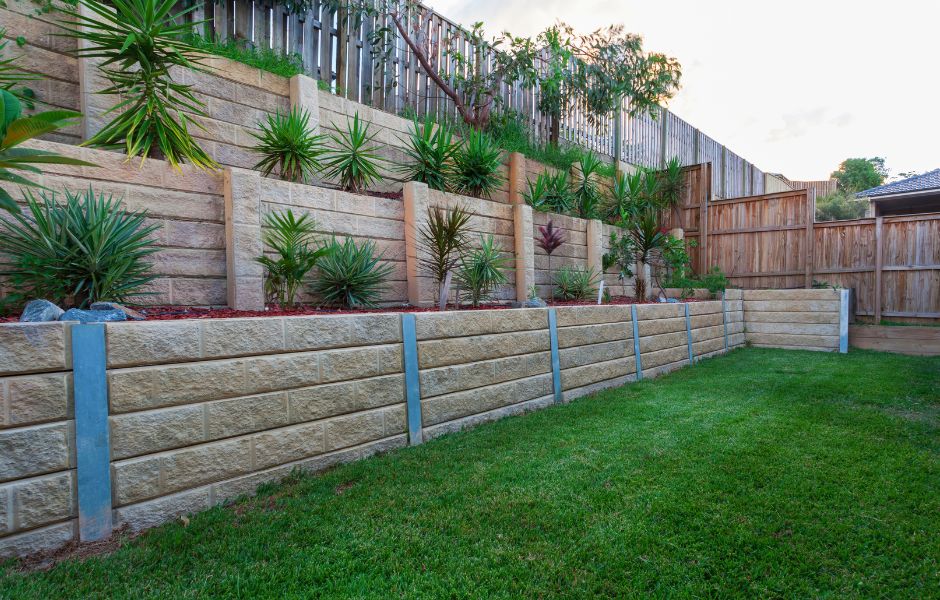
- Landscaping features or retaining walls
- New drainage systems installed
- Building or renovation activities
In NSW, liability is more likely to arise when natural flow has been modified, rather than simply due to the presence of water.
Identifying When a Homeowner Might Be Liable
A property owner may need to take corrective actions if stormwater from their property:
- Is directed onto an adjacent property
- Is discharged in a concentrated manner
- Leads to erosion, flooding, or damage
- Was altered due to construction or landscaping activities
- Is not effectively managed on-site as required
In these circumstances, councils usually expect homeowners to resolve the matter through appropriate drainage solutions rather than allowing disputes with neighbours to escalate.
Clarifying When a Homeowner May Not Be Held Responsible
Not every water-related situation equates to a liability scenario.
You may not be held liable if:
- Water follows a long-established natural flow path
- The issue arises solely due to extreme weather
- The neighbour’s drainage system is blocked or malfunctioning
- The problem pertains to council-owned infrastructure
Understanding how water moves is far more critical than merely determining where it ends up, highlighting the significance of comprehending these complexities.
Examining Local Council Approaches to Runoff Challenges
In NSW, councils generally expect homeowners to:
- Effectively manage stormwater within their own property whenever feasible
- Prevent water from being redirected onto neighbouring land
- Utilise compliant drainage systems and discharge points
Councils often encourage resolution through:
- Proper drainage rectification measures
- Engineering or plumbing assessments
- Mediation between neighbours
The aim is to prevent disputes from escalating when effective drainage solutions can resolve the issues at hand.
Uncovering How Enhanced Drainage Solutions Can Reduce Neighbour Disputes
Most runoff challenges can be effectively addressed through improved drainage design.
Common solutions include:
- Stormwater drainage systems connected to approved discharge points
- French drains designed to intercept groundwater
- Channel drains placed across driveways and hard surfaces
- Soakwells utilised in appropriate sandy soil conditions
- Pipe replacements or upgrades to accommodate modern rainfall volumes
Tackling the root cause of water movement is typically more effective than simply redirecting it elsewhere.
Crucial Steps to Take If Water Issues Arise
If water from your property is impacting a neighbour, or if water from a neighbour is encroaching on your land, adopting a practical approach can help mitigate conflict.
- Monitor the behaviour of water during and after rainfall
- Avoid temporary redirection that may exacerbate the issue
- Arrange for a professional drainage assessment
- Consult with your local council if necessary
- Consider mediation if communication becomes strained
- Seek legal counsel only when absolutely essential
Most disputes can be resolved well before legal intervention becomes necessary.
Key Disclaimer on Stormwater Responsibility
This article provides general information only and does not constitute legal advice. Responsibility for stormwater can differ based on site history, drainage design, and council regulations. Homeowners should consult their local council, a qualified drainage expert, or a legal advisor for guidance tailored to their unique circumstances.
Vital Insights on Water Management and Drainage Issues
Disputes concerning stormwater rarely focus on pinpointing blame. More frequently, they centre around unmanaged water or drainage systems that cannot cope with real-world conditions.
Understanding the difference between natural and altered water flow, along with promptly addressing drainage concerns, safeguards relationships, property values, and mental well-being.
If you are uncertain about the factors influencing water movement on your property, a professional drainage assessment is an excellent initial step.
Frequently Asked Questions: Managing Water Runoff Between Neighbouring Properties in NSW
1. Am I Automatically Liable If Water From My Property Flows Into My Neighbour’s Yard?
No. In NSW, liability does not automatically arise simply because water flows downhill. Issues generally emerge when water flow has been altered or concentrated due to drainage modifications, paving, landscaping, or construction changes.
2. What Constitutes Altered Stormwater Flow?
Altered flow refers to water redirected by downpipes, driveway drainage, landscaping, retaining walls, or plumbing systems that increase the speed or volume of water exiting a property compared to natural conditions.
3. What If Water Has Always Followed This Path?
If water adheres to a long-established natural flow path and has not been redirected or concentrated by any actions, it may not incur liability. Each scenario is unique, which is why evaluating the drainage design is crucial.
4. Can My Council Mandate That I Fix a Stormwater Issue?
Local councils can require property owners to resolve stormwater issues if runoff causes damage or fails to meet council drainage standards. Councils typically advocate practical drainage solutions over neighbour disputes.
5. What Drainage Solutions Typically Resolve Runoff Disputes?
Most issues are resolved by implementing or upgrading stormwater drainage, French drains for groundwater management, channel drains for hard surfaces, or soakwells in favourable soil conditions. The appropriate solution depends on the specific water behaviour on-site.
6. Should I Seek Legal Counsel If a Disagreement Arises?
This article provides general information only, not legal advice. If a dispute cannot be resolved through drainage improvements, homeowners may need to consult their local council, utilise mediation services, or seek guidance from a qualified legal professional.
Water Running Into a Neighbour’s Property in NSW: Who Is Responsible?
The Article: Water Running Into a Neighbour’s Property in NSW: Who Is Responsible? first appeared on https://writebuff.com
The Article Who Is Responsible for Water Running Into a Neighbour’s Property in NSW? Was Found On https://limitsofstrategy.com