Discover the Complete Guide to Diabetes Blood Tests Available in Epsom
What Are the Different Types of Diabetes Blood Tests Commonly Used?
Private Diabetes Blood Test in Epsom: Healthcare professionals in Epsom utilise a range of diabetes blood tests aimed at accurately assessing blood glucose levels and improving overall diabetes management. The HbA1c test is particularly significant, as it measures average blood sugar levels over the past two to three months, providing a comprehensive overview of long-term glucose control. Another frequently employed assessment is the fasting glucose test, which requires patients to abstain from eating for a minimum of 8 hours prior to testing, ensuring results are as accurate as possible.
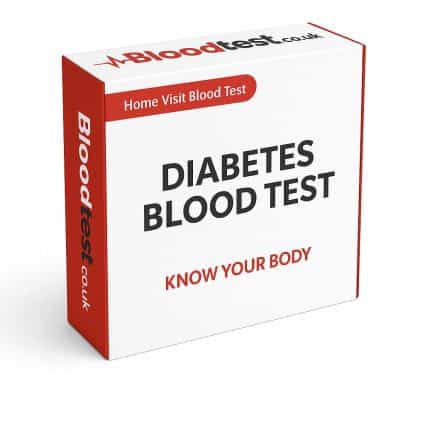

Furthermore, additional tests such as the oral glucose tolerance test (OGTT) are employed to assess how efficiently the body processes glucose, providing crucial insights into metabolic health and the potential risks associated with diabetes.
To ensure accurate and reliable results, patients should adhere to several important procedures:
- Fast for the necessary duration prior to the test.
- Stay hydrated by drinking water.
- Avoid strenuous exercise before the test.
- Discuss any medications with the healthcare provider beforehand.
Each of these tests provides unique insights into a patient’s diabetes status, allowing healthcare professionals to create tailored treatment plans that cater to individual needs, ultimately enhancing the patient’s quality of life.
How Do Diabetes Blood Tests Contribute to Effective Health Management?
Diabetes blood tests are essential tools in health management, empowering both patients and healthcare providers to consistently monitor blood sugar levels with precision. This continuous monitoring enables early interventions, which are critical for preventing complications from uncontrolled diabetes. In Epsom, these tests are vital for adapting treatment plans, ensuring that patients maintain optimal control of their condition, and ultimately improving overall health outcomes. Regular monitoring enables patients to make informed decisions regarding lifestyle choices, medication adjustments, and dietary habits, which can lead to significantly enhanced diabetes management.
What Role Do Local Healthcare Providers Have in Diabetes Management?
In Epsom, local healthcare providers, including general practitioners (GPs) and diabetes specialists, play a crucial role in administering diabetes blood tests and managing patient care. These professionals offer accessible testing services while ensuring that follow-up care is thorough, which includes interpreting results and advising necessary lifestyle changes or medication adjustments. Their active involvement guarantees continuity of care that is tailored to the specific needs of the Epsom community, ultimately fostering a supportive environment for individuals effectively managing diabetes.
How Can You Effectively Interpret the Results of Diabetes Blood Tests?
Understanding the results of diabetes blood tests is vital for evaluating a patient’s health status. In Epsom, an HbA1c level below 48 mmol/mol is generally considered normal, while levels between 48 and 58 mmol/mol indicate prediabetes, and levels exceeding 58 mmol/mol suggest diabetes. Additionally, fasting glucose levels should ideally remain below 5.6 mmol/L; values between 5.6 and 6.9 mmol/L indicate prediabetes, while levels exceeding 7.0 mmol/L confirm a diagnosis of diabetes.
Patients are strongly encouraged to discuss these results with their healthcare professionals to receive personalised guidance and support. This dialogue fosters the development of effective management strategies tailored to individual circumstances, thereby empowering patients to take control of their health and make informed decisions regarding their treatment plans.
Key Preparation Steps for a Diabetes Blood Test in Epsom
What Essential Steps Should Patients Follow in Preparation?
Patients preparing for a diabetes blood test in Epsom should adhere to specific pre-test guidelines to guarantee accurate and reliable results. This generally involves fasting for at least 8 hours prior to the test, although patients are typically allowed to drink water. It is crucial to arrive well hydrated, as dehydration can negatively impact test results, leading to inaccuracies. Furthermore, patients should consult their healthcare providers regarding any medications they are taking, as certain medications may require adjustments before the test to prevent interference with results, thus ensuring the most accurate readings possible.
Are There Important Dietary Considerations to Remember?
Dietary considerations are crucial when preparing for diabetes blood tests. Patients are generally advised to avoid high-sugar or high-carbohydrate meals the day before testing to ensure accurate readings. For Epsom residents, consuming a balanced meal that is rich in vegetables and lean proteins, focusing on low-glycaemic-index foods, can be beneficial. Maintaining a consistent, healthy diet leading up to the test can help ensure that the results accurately reflect the patient’s typical glucose levels, thereby supporting effective diabetes management strategies and promoting overall health.
How Does Preparation Affect the Accuracy of Test Results?
Proper preparation is essential for reliable diabetes blood tests. Inconsistent fasting or failure to adhere to dietary guidelines can distort results, potentially leading to misdiagnosis or inappropriate management strategies. For instance, a patient who does not fast adequately may present with elevated glucose levels, which could mislead healthcare professionals regarding their actual diabetes status. Local experiences highlight the importance of thorough preparation to achieve the most accurate and actionable results, thus ensuring effective patient care and diabetes management.
Expert Insights on Different Types of Diabetes Blood Tests
What Are the Most Reliable Diabetes Testing Options Available in the UK?
In the UK, the most reliable diabetes blood tests include the HbA1c test, fasting plasma glucose, and the oral glucose tolerance test (OGTT). These tests adhere to strict clinical guidelines and are routinely employed in Epsom. The HbA1c test is particularly valued for its ability to provide a comprehensive view of blood glucose control over several months, establishing it as a cornerstone in diabetes management and monitoring.
How Do Testing Approaches Differ Based on Individual Patient Needs?
The approaches to diabetes testing can vary significantly depending on patient-specific needs in Epsom. Factors influencing testing methods include age, existing health conditions, and diabetes-related risk factors. For example, younger patients may require different testing intervals compared to older adults, who may have multiple comorbidities. To ensure personalised testing, healthcare providers consider the following factors:
- Age and lifestyle choices.
- Family medical history.
- Presence of obesity or metabolic syndrome.
- Other underlying health conditions.
These considerations ensure that testing aligns with patients’ unique health profiles and management goals, facilitating optimal diabetes care and intervention strategies.
Why Is Regular Diabetes Screening Essential?
Regular diabetes testing is vital within UK communities such as Epsom, as it supports early detection and management of the condition. Consistent screening allows healthcare providers to identify prediabetes and diabetes at an early stage, enabling timely interventions that can prevent serious complications, including cardiovascular disease or neuropathy. Local health recommendations frequently advocate for annual testing for high-risk populations, promoting a proactive approach to health management and wellness among residents.
What Symptoms Should Prompt a Diabetes Test?
Expert Insights on Detecting the Early Signs of Diabetes
Recognising the early signs of diabetes is essential for timely testing and intervention. Common symptoms that may trigger testing include increased thirst, frequent urination, unexplained weight loss, and fatigue. In Epsom, awareness campaigns are in place to educate residents about these indicators, empowering them to seek medical advice promptly. Early recognition of symptoms is critical, as it enables swift diagnostic action, significantly improving health outcomes and preventing diabetes-related complications.
How Do Diabetes Symptoms Vary Across Different Age Groups?
Diabetes symptoms can manifest differently across various age groups within the UK population. For instance, older adults may experience symptoms such as blurred vision or slower wound healing more prominently than younger individuals, who might notice increased thirst and hunger. Understanding these variations is vital for healthcare providers in Epsom when advising patients about the appropriate timing for testing, thereby ensuring age-appropriate health education and support.
When Should You Consult a Healthcare Professional About Diabetes Testing?
Consulting a healthcare professional regarding diabetes testing should occur when symptoms become concerning. In Epsom, if a patient experiences persistent symptoms such as excessive thirst, frequent urination, or fatigue, it is imperative to seek medical advice promptly. Following UK medical guidelines, testing should be arranged if symptoms are severe or rapidly worsening, as early intervention is key to effective diabetes management and ensures that patients receive the necessary support and treatment.
How Do Symptoms Present in Ethnic Minorities?
Certain diabetes symptoms can present differently among ethnic minority groups within the UK, including those in Epsom. For example, South Asian and African Caribbean populations may experience symptoms such as fatigue or blurred vision earlier than other groups, which can lead to complications if not addressed promptly. Awareness of these variations is essential for healthcare professionals to promote effective testing and timely intervention tailored to the diverse ethnic communities within Epsom.
How Can Diabetes Symptoms Be Misinterpreted as Other Health Conditions?
Diabetes symptoms often mimic those of other health conditions, which can lead to potential misdiagnosis. For instance, fatigue might be attributed to various issues, including stress or thyroid disorders, while increased thirst could be mistaken for dehydration. In Epsom, case studies have shown that heightened awareness of these overlaps can assist healthcare professionals in distinguishing between conditions, promoting timely diabetes testing, and ultimately preventing unnecessary complications.
Research-Backed Benefits of Diabetes Blood Tests
What Evidence Highlights the Need for Regular Diabetes Testing?
Research conducted in the UK consistently underscores the substantial benefits of regular blood testing for diabetes. Studies indicate that patients who engage in frequent testing experience superior disease management, leading to improved clinical outcomes. In Epsom, evidence suggests that individuals who are actively monitored are less likely to develop complications, significantly enhancing their quality of life and overall health, thus reinforcing the necessity of regular diabetes testing.
How Can Diabetes Tests Enhance Long-Term Health Outcomes?
Diabetes screening offers numerous long-term health benefits, particularly within the UK healthcare system. Regular testing aids in preventing complications such as heart disease, stroke, and kidney issues through early intervention. For residents of Epsom, the long-term health gains from consistent testing may include:
- Reduced risk of associated chronic conditions.
- Improved medication adherence.
- Enhanced management of co-existing conditions, such as hypertension.
- Better overall health-related quality of life.
These benefits highlight the importance of proactive health measures and consistent monitoring in diabetes care, ensuring that patients remain healthy and active.
What Is the Impact of Diabetes Tests on Quality of Life?
Diabetes blood tests significantly enhance the quality of life for individuals residing in the UK. Regular monitoring and effective management strategies stabilise blood glucose levels and alleviate the emotional burden associated with diabetes. In Epsom, patients often report feeling more empowered and informed about their health, leading to improved daily functioning and a more active lifestyle. This empowerment is crucial for fostering a sense of control over one’s health and overall well-being.
What Are the Economic Benefits of Conducting Diabetes Blood Tests?
The economic advantages of diabetes blood tests are substantial within the UK healthcare framework. Early detection through regular testing can lead to significant savings for the NHS by reducing the need for hospital admissions and associated treatment costs. In Epsom, data indicates that proactive management through consistent blood testing can yield long-term financial benefits for both patients and healthcare systems, ensuring resources are allocated efficiently and effectively, ultimately benefiting the community.
Where Can Epsom Residents Access Diabetes Testing Services?
What Local Facilities Offer Diabetes Blood Testing Options?
Epsom boasts a variety of accessible diabetes blood-testing facilities, including both NHS clinics and private practices. Local NHS services, such as Epsom Hospital and various GP surgeries, provide comprehensive diabetes testing options. Additionally, private healthcare providers in the area often offer expedited testing services for those seeking immediate results. This diverse range of options ensures that residents can easily obtain the care they need to manage diabetes effectively and efficiently.
How to Efficiently Book an Appointment for a Diabetes Test?
Booking an appointment for a diabetes test in Epsom is a straightforward process. Patients can schedule tests through the NHS online booking system or by contacting their local GP surgery directly. Many clinics also provide in-person registration options. It is advisable to check the availability of specific tests and assess the potential need for referrals to ensure an efficient process for all patients seeking diabetes testing services.
Is Support Available for At-Home Diabetes Testing?
At-home diabetes blood tests have gained popularity and are accessible to residents of Epsom. These tests offer convenience and immediate feedback on blood glucose levels. Approved home testing kits are available, enabling patients to monitor their condition effectively and independently. It is essential for users to carefully follow the provided instructions and consult their healthcare provider to verify results and adjust management strategies as needed, ensuring effective oversight of their diabetes care and maintaining optimal health.
What Can You Expect After a Diabetes Blood Test in Epsom?
What Happens to Your Results After the Test?
Following a diabetes blood test in Epsom, results are typically communicated to patients by their healthcare provider, either through a follow-up appointment or via secure online systems. Healthcare professionals will interpret the results, clarify their implications, and discuss subsequent steps in the management plan. This follow-up process ensures that patients fully understand their results and are equipped to take the appropriate actions regarding their health, facilitating proactive diabetes management and improving health outcomes.
How to Manage Abnormal Findings from Diabetes Tests?
Effectively managing abnormal diabetes test results is essential for optimal diabetes care. In Epsom, patients may be advised to adjust their lifestyle, including dietary changes or increased physical activity, based on their results. Healthcare providers will develop customised action plans that may also include medication modifications or referrals to specialists as needed. Following the established pathways in the UK healthcare system ensures that patients receive the necessary support and resources to manage their diabetes effectively and improve their overall health.
What Are Effective Long-Term Monitoring Strategies for Diabetes?
Long-term monitoring of diabetes necessitates regular check-ups and continuous assessment of management strategies. In Epsom, patients are encouraged to maintain routine appointments and undergo blood tests as recommended according to their individual risk factors and management plans. Regular reviews enable healthcare providers to adapt treatment approaches as necessary, ensuring sustained vigilance regarding health status and improved quality of life for patients living with diabetes.
Frequently Asked Questions
What Is the Purpose of an HbA1c Test?
The HbA1c test measures the average blood glucose levels over the past two to three months, helping to assess long-term diabetes control and management strategies effectively.
How Frequently Should I Get Tested for Diabetes?
For individuals at risk or those diagnosed with diabetes, it is recommended to undergo testing every 6 to 12 months, depending on personalised health recommendations from a healthcare provider.
What Are Common Symptoms of Diabetes?
Common symptoms of diabetes include increased thirst, frequent urination, unexplained weight loss, fatigue, and blurred vision, which may indicate the need for testing and further evaluation.
Can I Eat Before Undergoing a Diabetes Blood Test?
For certain tests, such as fasting glucose tests, it is essential to fast for at least 8 hours before the test to ensure accurate results and readings.
How Can I Interpret My Diabetes Test Results?
Consult your healthcare provider for a detailed interpretation of your results based on specific reference ranges and your overall health context, to provide clarity and guidance on your diabetes management.
What Actions Should I Take If My Test Results Are Abnormal?
If your results are abnormal, your healthcare provider will discuss management options, including lifestyle changes or medication adjustments, to effectively address the findings and improve your health outcomes.
Are Home Testing Kits Considered Reliable?
Yes, home testing kits can be reliable when used correctly. It is advisable to consult your healthcare provider to verify results and make any necessary adjustments to management strategies for effective diabetes control.
Where Can I Locate Diabetes Testing Facilities in Epsom?
Diabetes testing facilities are available at local NHS clinics, GP surgeries, and private healthcare practices throughout Epsom, ensuring access to essential testing services for all residents.
What Preparations Are Necessary for My Diabetes Blood Test?
Preparation typically involves fasting for a specified period, staying hydrated, and discussing any medications with your healthcare provider to ensure accurate testing outcomes and dependable results.
What Steps Should I Take After Receiving My Test Results?
After receiving your results, it is important to schedule a follow-up appointment with your healthcare provider to discuss the findings and any necessary next steps in your diabetes management plan, ensuring effective care.
Connect with us on Facebook!

This Article Was First Found On https://bloodtest.co.uk
The Article Diabetes Blood Test in Epsom: Essential Information You Need found first on https://electroquench.com