Understanding Kitten Socialisation Windows: An In-Depth Resource
Effective Strategies for Introducing Kittens to New Environments
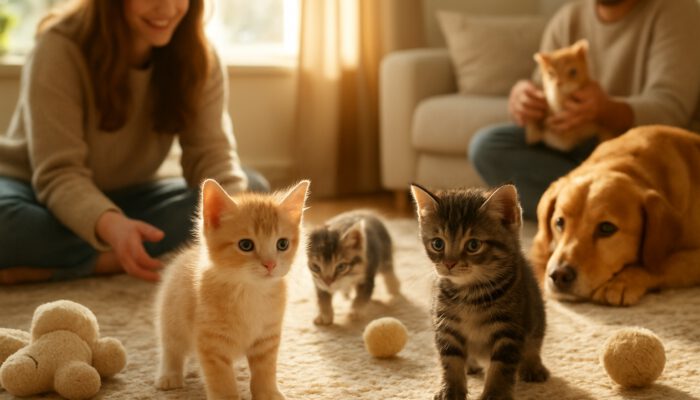
Kittens flourish when they encounter a variety of stimuli during their early weeks. Such exposure cultivates confidence and greatly diminishes the chances of behavioural problems as they grow older. It is crucial that this significant exposure takes place in a nurturing environment that encourages positive interactions. By acquainting them with different sounds, sights, and experiences, kittens learn to adapt more readily as they develop.
Fostering a welcoming atmosphere enables kittens to venture into their surroundings with assurance. It is important to gradually introduce them to new experiences—such as meeting diverse individuals, interacting with other pets, and exploring various textures. This supportive strategy nurtures both security and curiosity, laying a strong groundwork for their future social exchanges.
Building Trust and Emotional Security in Kittens
Establishing secure bonds through gentle handling is essential for cultivating healthy social skills that will persist into adulthood. When caregivers interact with their kittens in a calm and loving manner, they nurture emotional stability and trust, which are vital for comprehensive development.
Kittens that feel secure are more likely to explore their environment and engage with others. Positive interactions during this formative period can result in well-adjusted adult cats that are comfortable in varied settings. Establishing trust through consistent, gentle handling creates a solid foundation for their socialisation journey.
Daily Engagement: Crucial for Kittens' Social Development
- Enhances adaptability to new situations
- Reduces anxiety and fearfulness
- Encourages exploration and curiosity
- Strengthens bonds with caregivers
- Facilitates the understanding of social cues
Establishing daily interaction routines is vital for a kitten's growth. Consistent engagement enables them to navigate their surroundings with assurance. These regular opportunities for positive experiences are crucial for their emotional and behavioural development.
A dependable routine helps kittens feel secure and understand what to expect from their environment. This predictability is essential for their overall well-being and development.
The Crucial Role of Early Socialisation in Kitten Development
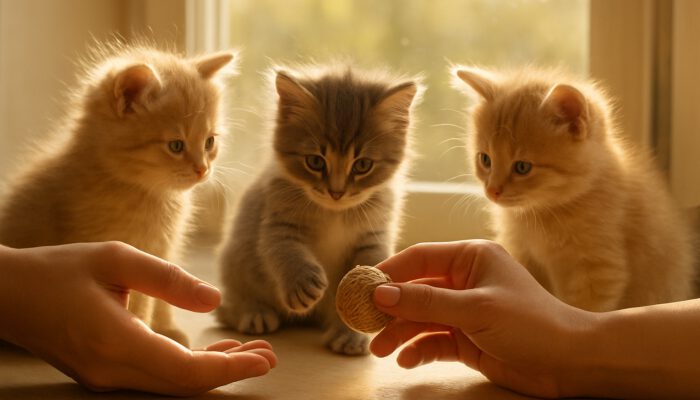
Long-Term Behavioural Impacts of Early Socialisation
The timing of socialisation is vital for developing well-adjusted adult cats capable of handling diverse environments without fear or aggression. Kittens that are exposed to a range of stimuli during their critical socialisation windows learn to react positively to new experiences. This foundational exposure has a profound impact on their behaviour as they mature.
Kittens that miss these early socialisation chances may encounter behavioural issues later in life, such as anxiety, aggression, or trouble adapting to new situations. Providing ample socialisation during their formative weeks is crucial for their long-term behavioural health.
The Link Between Socialisation and Health
Social exposure during optimal periods improves both mental and physical health, significantly lowering the risk of stress-related conditions over time. Kittens that positively engage with their environment generally develop stronger immune systems and enhanced overall health. This connection highlights the significance of socialisation in their early development.
Effective socialisation diminishes the likelihood of stress-related illnesses in adulthood. Well-socialised kittens tend to be more adaptable and resilient, making them less susceptible to anxiety and other health concerns. The benefits of early socialisation extend beyond behaviour, positively impacting their overall wellness.
The Role of Pet Owners in Facilitating Successful Socialisation
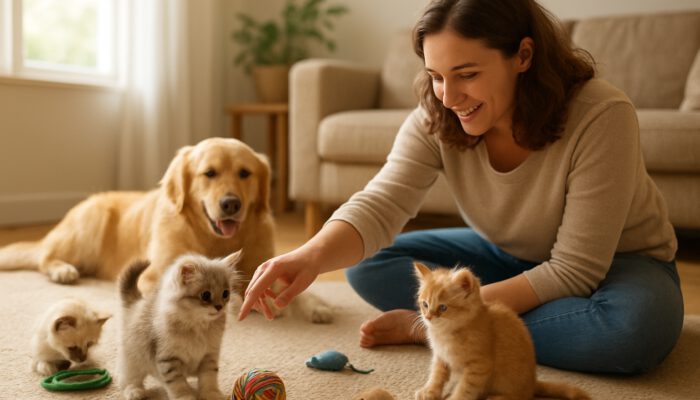
Pet owners must actively engage during these crucial periods to equip kittens with the experiences necessary for balanced growth. It is the responsibility of caregivers to provide a diverse range of socialisation opportunities, from gentle handling to exposure in varied settings. This proactive approach is essential for their development.
Recognising the importance of the socialisation window empowers owners to create enriching experiences for their kittens. Activities that promote socialisation, such as playdates with other pets or visits to new environments, are vital in ensuring that kittens thrive and grow into well-adjusted adults.
How Does Socialisation Shape Kittens' Lives?
Exploring the Phases of Neurological Development
During their early weeks, kittens undergo rapid brain development, making this period ideal for learning social cues and adapting to their surroundings. Kittens are particularly receptive to new experiences during this critical time, which shapes their future behaviour and personality.
As they investigate their environment, their brains form connections that determine their responses to various stimuli. Engaging them with different sounds, sights, and interactions during this phase enhances their cognitive development, resulting in greater adaptability as adults.
Methods to Prevent Fear Responses in Kittens
Minimising fear imprinting during sensitive periods is crucial for encouraging outgoing personalities in kittens. Techniques such as gradual exposure to new environments and positive reinforcement can help kittens learn that new experiences are safe and enjoyable. This approach reduces the likelihood of fear-based behaviours developing later in life.
Creating positive associations with different stimuli is key. For example, introducing a kitten to a vacuum cleaner while offering treats helps them connect the sound with something pleasant rather than frightening. Such methods encourage kittens to approach new experiences with curiosity instead of fear.
Navigating Dynamics in Multi-Pet Households
Properly introducing other pets can foster tolerance and minimise territorial conflicts. When socialising kittens in multi-pet households, it is crucial to promote positive interactions between them and existing pets. Gradual introductions and supervised interactions help prevent jealousy and aggression.
Establishing a harmonious household dynamic requires patience and careful observation. Allowing kittens to explore the presence of other pets at their own pace fosters security and acceptance. These positive early experiences can lead to lasting friendships among household pets.
Promoting Early Human Interactions
Positive experiences with humans during the socialisation window, particularly between two and seven weeks of age, are essential for developing affectionate and confident cats. Kittens that receive regular handling exhibit less fear of humans and adapt better to household routines and noises throughout their lives. Engaging with them during this critical period nurtures their trust and comfort in human interactions.
Consistent, gentle handling teaches kittens to enjoy human companionship. This early exposure can lead to more sociable and confident adult cats, making them easier to manage and integrate into family life. The bonds formed during this time are vital for their emotional well-being.
Introducing Kittens to a Variety of Environmental Stimuli
Gradually exposing kittens to different sounds, sights, and textures in a safe manner helps prevent neophobia in adulthood. Kittens that experience diverse stimuli during their development are typically more curious and resilient when faced with new situations. This adaptability is vital for their long-term emotional health and behaviour.
Providing a range of experiences during their early weeks prepares kittens for the complexities of adult life. For example, allowing them to explore different surfaces, such as grass, carpet, and tile, helps them feel comfortable in various environments. This exposure fosters a well-rounded and confident adult cat.
Key Stages in Kitten Development
Enhancing Sensory Awareness
Kittens gradually awaken their senses and begin to explore, necessitating safe guided experiences. In the first few weeks, their sensory development accelerates as they start to respond to sounds, sights, and smells. Caregivers play a crucial role in facilitating this exploration within a secure and controlled environment.
Offering opportunities for sensory exploration, such as introducing different textures and sounds, aids kittens in developing their awareness. Encouraging them to investigate their surroundings fosters curiosity and confidence, which are essential traits for their overall growth.
The Development of Play Behaviour
- Teaches boundaries and essential social skills
- Enhances motor skills and coordination
- Encourages problem-solving abilities
- Strengthens bonds with caregivers and peers
Play-based learning is vital for kittens, as it teaches them boundaries and essential motor skills. Engaging in play helps them comprehend social cues and develop appropriate behaviours during interactions. This playful exploration serves as a natural means for them to learn about their environment.
Through play, kittens also enhance their physical abilities and coordination. Activities like chasing toys or climbing structures allow them to refine their skills while enjoying themselves. These early play experiences lay the groundwork for their future social interactions and physical health.
Creating Opportunities for Bonding with Humans
Consistent positive contact fosters lasting preferences for human companionship and affection. Regular interaction with caregivers builds trust, making kittens more inclined to seek human companionship as they mature. This bond is crucial for their emotional development and overall well-being.
Fostering a strong relationship with kittens through gentle handling, play, and affection ensures they become sociable and loving adult cats. The more positive experiences they have with humans during their early weeks, the more confident and secure they will feel in their interactions.
Expert Insights on Kitten Socialisation Windows
Professional Assessment Techniques for Tailored Socialisation
Evaluating each kitten's readiness is essential for tailoring approaches that yield optimal outcomes. Professionals often assess a kitten's behaviour and comfort level with various stimuli. This evaluation enables caregivers to customise their socialisation strategies to meet the unique needs of each kitten.
Understanding a kitten's personality and comfort zone allows caregivers to create a supportive environment. By observing their reactions to new experiences, owners can identify the most effective methods for introducing new stimuli, ensuring that the process is both enjoyable and productive for the kitten.
Using Case Studies to Identify Effective Techniques
Sharing actionable steps derived from observed successes in various litters can help replicate effective socialisation patterns. Case studies often reveal specific techniques that have proven successful in different environments. These insights can guide caregivers in implementing best practices for their kittens.
For example, a case study might demonstrate that kittens exposed to a variety of sounds during their critical socialisation windows display less fear of loud noises as adults. By applying these findings, caregivers can create similar experiences for their kittens to maximise their socialisation potential.
Avoiding Common Pitfalls in Socialisation
Real-life examples illustrate how overlooking subtle signs can lead to challenges that experts work to mitigate. Caregivers may overlook signs of stress or discomfort in their kittens, resulting in negative socialisation experiences. Recognising these pitfalls is vital for effective socialisation.
By identifying signs of anxiety or fear, caregivers can adjust their approach to provide a more supportive experience. For instance, if a kitten shows distress during a new experience, allowing them to acclimate at their own pace can help prevent long-term behavioural issues.
What Are the Key Socialisation Periods for Kittens?
Identifying Optimal Age Ranges for Socialisation
Specific intervals between two and nine weeks represent peak receptivity for new experiences and learning. During this crucial time, kittens are particularly open to socialisation and can gain significantly from exposure to various stimuli. This window is essential for shaping their future behaviour.
Caregivers should capitalise on these optimal weeks by providing a range of experiences, from meeting new people to exploring different environments. The more varied their exposures during this period, the better equipped they will be to handle new situations as adults.
Recognising Transition Milestones in Development
Physical changes in kittens signal shifts in the types of socialisation that are most effective. As they grow, their developmental needs evolve, requiring caregivers to adapt their socialisation strategies accordingly. Recognising these milestones ensures that kittens receive appropriate experiences at each stage.
For instance, as kittens begin to hone their motor skills, engaging them in play becomes increasingly vital. Providing opportunities for physical activity and exploration during these transitional phases supports their overall development and adaptability.
Strategies for Reinforcing Socialisation Gains
Ongoing gentle exposures after primary windows consolidate the benefits achieved earlier. Reinforcement strategies are essential for ensuring that the advantages of early socialisation are maintained as kittens grow. Regularly introducing them to new experiences solidifies their confidence and adaptability.
Caregivers can employ positive reinforcement techniques, such as treats or praise, to encourage desired behaviours during socialisation. These strategies help kittens associate new experiences with positive outcomes, increasing the likelihood that they will approach future situations with curiosity rather than fear.
Recognising Individual Variations in Socialisation Needs
Individual kittens may exhibit considerable differences in their primary socialisation windows, influenced by factors such as breed, genetics, and past experiences. Tailoring approaches beyond standard timelines is necessary to ensure comprehensive social development and adaptability. Understanding these individual differences is crucial for effective socialisation.
Some kittens may require additional time to adjust to new experiences, while others may be naturally more adventurous. Caregivers should be attentive to each kitten's unique personality and needs, allowing them to progress at their own pace while still providing enriching socialisation opportunities.
Effective Strategies for Kitten Socialisation Windows
Implementing Structured Handling Techniques for Positive Outcomes
- Builds resilience and reduces sensitivity issues
- Encourages positive associations with human contact
- Facilitates the learning of social cues
- Promotes confidence in new experiences
Consistent touch through structured handling techniques nurtures resilience and mitigates sensitivity issues in kittens. Regularly handling them gently helps them develop comfort with human interaction, which is crucial for their social development.
Implementing structured handling routines encourages kittens to feel safe and secure in their environment. Over time, they learn to associate human touch with positive experiences, fostering trust and confidence as they mature.
Innovative Strategies for Environmental Enrichment
Creating stimulating yet safe spaces encourages curiosity without overwhelming kittens. Environmental enrichment plays a significant role in promoting exploration and play. Providing a variety of toys, climbing structures, and secure areas to investigate enhances their socialisation experiences.
Incorporating diverse textures, scents, and sounds into their environment helps kittens learn to navigate and adapt to new experiences. This exposure nurtures curiosity and resilience, making them more adaptable to changes as they grow.
Monitoring Progress Effectively
Tracking development and adjusting strategies in a timely manner is vital for successful socialisation. Caregivers should routinely assess their kitten's progress and modify their socialisation techniques as necessary. Keeping a journal of experiences and reactions can help identify areas requiring more focus.
By monitoring their kitten's behaviour and comfort levels with various stimuli, owners can ensure they provide suitable socialisation opportunities. This proactive approach allows caregivers to make necessary adjustments, ensuring their kittens thrive during this crucial phase.
Why Is Timing Essential for Kitten Socialisation?
The Consequences of Missing Socialisation Windows
After certain ages, receptivity declines sharply, complicating integration efforts. Missing critical socialisation windows can lead to kittens struggling to adapt to new experiences later in life. Recognising the importance of timing is essential for effective socialisation.
As kittens mature, their ability to learn from new experiences diminishes. Caregivers who understand the significance of these windows can take proactive measures to ensure their kittens receive essential socialisation during these formative weeks.
Recovering from Missed Socialisation Opportunities
Alternative methods can assist if initial periods were not fully utilised by caregivers. While early socialisation is crucial, new experiences can still be introduced later in a kitten's life. Gradual exposure and positive reinforcement can yield beneficial results.
Caregivers should focus on fostering positive associations with new experiences, even if introduced later. Engaging in play and creating a supportive environment can help mitigate any negative effects of missed opportunities during critical socialisation windows.
Considering Breed-Specific Socialisation Needs
Individual differences may slightly modify ideal timing, but general principles of socialisation remain applicable across breeds. While certain breeds may have unique socialisation requirements, the fundamental importance of early socialisation applies to all kittens. Understanding these nuances can help caregivers tailor their approaches.
For instance, some breeds may be more naturally outgoing and require less intensive socialisation, while others may need additional support. Caregivers should account for these variations when designing socialisation strategies to ensure each kitten receives appropriate experiences.
Identifying Phases of Peak Receptivity
Kittens demonstrate the highest capacity for learning essential social skills and forming lasting bonds with humans and other animals during specific early life stages. This peak receptivity phase is critical for development, making timely interactions vital for optimal success.
Engaging with kittens during these crucial weeks can significantly influence their future behaviour and adaptability. Caregivers must prioritise socialisation efforts during this time to ensure their kittens develop into well-adjusted adult cats.
Addressing Long-Term Behavioural Consequences
Improper timing during critical socialisation windows often leads to persistent issues such as anxiety or aggression. These challenges can adversely affect the animal's overall quality of life well into adulthood. Understanding the importance of timing is crucial for preventing these long-term behavioural problems.
Addressing socialisation needs early can help reduce potential issues later in life. Caregivers who prioritise socialisation during critical windows can foster confident, well-adjusted adult cats, minimising the likelihood of behavioural problems in the future.
Practical Tips for Effective Kitten Socialisation
Home-Based Activity Plans to Engage Kittens
Simple daily exercises can seamlessly integrate into routines and yield strong socialisation outcomes. Caregivers can establish structured playtime and interaction sessions that incorporate socialisation activities. These routines help kittens acquire essential skills while strengthening their bond with their owners.
Incorporating socialisation into daily life can be as straightforward as introducing new toys, allowing exploration of different rooms, or inviting friends over to meet the kitten. These activities provide valuable experiences that support healthy development.
Utilising Positive Reinforcement Techniques
Rewards encourage desired behaviours and make experiences enjoyable for the kitten. Employing positive reinforcement techniques, such as treats or praise, helps kittens associate new experiences with positive outcomes. This method is effective in shaping their behaviour during socialisation.
By rewarding kittens for exploring new environments or engaging with people, caregivers can foster confidence and curiosity. This approach enriches their socialisation experiences and strengthens the bond between the kitten and caregiver.
Implementing Ongoing Evaluation Practices for Socialisation
Regular reviews ensure strategies align with the kitten's progression through each developmental stage. Caregivers should continually assess their kitten's growth and adjust their socialisation techniques as needed. This proactive approach helps ensure that each kitten receives the appropriate experiences for their development.
Monitoring their kitten's reactions to various stimuli enables caregivers to identify areas that may need additional attention. By remaining attuned to their kitten's needs, owners can create a supportive environment that fosters healthy social development.
Frequently Asked Questions
What is the socialisation window for kittens?
The socialisation window for kittens typically occurs between two and nine weeks of age, during which they are most receptive to new experiences and acquiring social cues.
Why is early socialisation critical?
Early socialisation helps kittens develop into well-adjusted adult cats, significantly reducing the likelihood of fear, anxiety, and aggression. It lays the groundwork for their behaviour and adaptability.
What are effective methods for socialising my kitten?
Effective socialisation involves gradually introducing your kitten to various stimuli, including new people, pets, and environments, while providing positive reinforcement and support throughout the process.
What mistakes should I avoid when socialising my kitten?
Common mistakes include overwhelming the kitten with too many new experiences at once, failing to recognise signs of stress, and not providing sufficient positive reinforcement during socialisation.
Can I still socialise my kitten after the critical window has passed?
Yes, while the critical socialisation window is ideal, you can still socialise your kitten after this period by gradually introducing them to new experiences and utilising positive reinforcement techniques.
How does play contribute to the socialisation process?
Play helps kittens learn social cues, develop motor skills, and establish boundaries. It also fosters bonding with caregivers and prepares them for interactions with other pets.
What role does handling play in a kitten's socialisation?
Regular handling acclimatises kittens to human touch, building trust and reducing sensitivity issues. It is crucial for cultivating affectionate and confident adult cats.
How can I tell if my kitten is stressed during socialisation?
Signs of stress in kittens can include hiding, excessive vocalisation, flattened ears, or aggressive behaviour. Recognising these signs enables caregivers to adjust their approach accordingly.
Is socialisation different for various kitten breeds?
Yes, certain breeds may have unique socialisation needs. While the general principles of socialisation apply to all kittens, individual personalities and breed characteristics can influence the approach.
How often should I socialise my kitten?
Socialising your kitten should be a daily activity, incorporating various experiences and interactions to ensure they develop into well-adjusted adults. Consistency is vital for effective socialisation.
Connect with us on Facebook today!
The Article Socialisation Windows for Kittens: Essential Guide First Published On https://elgatoencasa.com
The Article Kittens: Essential Guide to Socialisation Windows Was Found On https://limitsofstrategy.com
The Article Essential Guide to Socialisation Windows for Kittens found first on https://electroquench.com