Discover Effective Strategies for Visualising Financial Trends Across Britain
Choosing the Most Suitable Chart Types for Banking Data in the UK
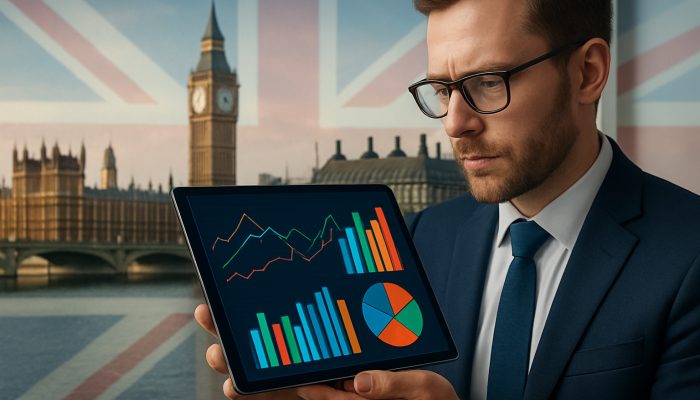
Selecting the appropriate chart type is crucial for individuals in Britain who wish to visualise their financial trends effectively. Various chart formats, including line graphs, bar charts, and pie charts, serve specific functions. Line graphs are particularly adept at illustrating changes over time, while bar charts are ideal for comparing different categories of expenditure.
It is essential to consider the target audience when determining the most effective chart type. For instance, a pie chart may offer an intuitive representation of budget allocations, while a line graph is better suited for showcasing the evolution of account balances over several months. By tailoring these visual tools to the preferences of British users, comprehension and engagement with personal financial data can improve significantly.
How to Integrate Data from Major Financial Institutions in the UK
Integrating applications with services from prominent UK banks such as Barclays, HSBC, and Lloyds can greatly enhance user experience. These integrations facilitate seamless data import, enabling users to monitor their transactions and balances in real-time. By connecting directly to their bank accounts, users can ensure their financial information is always accurate and up-to-date.
These integrations not only simplify the process of financial tracking but also assist in identifying patterns that may signal declining balances. This proactive approach empowers users to make informed decisions and adjust their spending habits as necessary, promoting improved financial health across households in the UK.
Creating Custom Dashboards for Efficient Daily Financial Management
Designing a personalised dashboard is essential for effective financial management. An organised layout allows for quick access to crucial metrics, such as declining balances and spending categories. British users should consider adding widgets that display monthly expenses, savings goals, and upcoming bills to maintain a comprehensive overview of their finances.
Customising the dashboard to reflect common household budgets within the UK can greatly enhance usability. For example, features that enable users to set alerts when their balances fall below a certain threshold can encourage timely actions, helping to prevent potential financial difficulties.
In What Ways Can Mobile Applications Improve Monitoring of Account Balances?

Exploring Popular Budgeting Applications Available in Britain
A wide variety of budgeting applications cater to UK residents, each presenting unique features for monitoring account balances. Notable options include Yolt, Money Dashboard, and Emma, all of which provide users with real-time insights into their spending habits. These applications enable users to categorise transactions, set budgets, and receive alerts, making effective financial management more attainable.
When assessing these applications, it is important to consider factors such as user interface, compatibility with UK banks, and the capability to generate insightful reports. Each application possesses distinct strengths, so selecting one that aligns with personal financial goals is vital for effective balance monitoring.
How to Customise Notifications for Improved Spending Alerts
Personalising notifications is a key feature that enhances user engagement in financial applications. Users can set alerts based on their spending patterns, ensuring they are informed whenever they approach their budget limits or if a balance decreases unexpectedly. This proactive strategy in financial management enables users to maintain control over their finances.
The ability to tailor these notifications to individual preferences can significantly increase engagement with the app. For example, users might opt to receive daily summaries or instant alerts for specific transactions, fostering a sense of control over their financial situations.
Prioritising Data Security in UK-Compliant Financial Applications

Data security is of utmost importance in financial applications, particularly in the UK, where regulations are stringent. Users should ensure that the apps they select comply with the standards set by the Financial Conduct Authority (FCA), which require robust security measures to protect sensitive information. Compliance not only safeguards personal data but also builds trust in the reliability of the app.
Before committing to an app, it is wise to evaluate its security features. Look for encryption protocols, two-factor authentication, and regular security updates. By prioritising security, users can manage their finances confidently, free from concerns about data breaches or unauthorised access.
How to Connect with UK Banks for Immediate Financial Notifications
Linking mobile applications with UK banks enables users to receive instant updates on their account balances and transactions. This feature eliminates the need for manual data entry, reducing the risk of errors and ensuring that users have the most accurate financial information readily available. Such direct integrations enhance the overall efficiency of financial management.
This integration offers a comprehensive view of all incoming and outgoing transactions, allowing users to effortlessly monitor their spending patterns. With real-time access to their financial data, users are better equipped to manage their budgets and make informed financial decisions.
Valuable Insights on Using Charts and Apps to Monitor Declining Balances
Presenting Real-Life Examples from UK Households
Real-life scenarios can effectively demonstrate how charts and apps assist in managing finances. For instance, a family in London might utilise a budgeting app to track their monthly expenses, pinpointing areas where they tend to overspend, such as dining out or entertainment. By visualising their spending habits through charts, they can make informed decisions to reduce unnecessary costs.
Another example features a single professional in Manchester who uses a financial app to track their savings objectives. By creating a visual dashboard to monitor their progress, they can observe how their spending habits affect their ability to save for a home deposit. These examples highlight the effectiveness of digital tools in managing finances across various income levels in the UK.
Providing Expert Insights on the Importance of Chart Accuracy
Chart accuracy is vital for successful financial tracking. Users often encounter challenges such as misinterpreting data or depending on outdated information. For example, a user may misread a bar chart representing monthly expenditure, resulting in incorrect conclusions about their financial situation. Ensuring that data is current and accurately represented is critical for making sound decisions.
Experts advise regularly updating financial data and verifying visual representations before drawing conclusions. Users should familiarise themselves with the specific chart types they employ to avoid common misinterpretations. This understanding can greatly enhance the accuracy of financial insights derived from charts.
What Common Misinterpretations Occur When Analysing Financial Data?
Common misinterpretations of financial data can lead to poor decision-making. A frequent error is neglecting to account for seasonal spending fluctuations, which can distort perceptions of financial health. For instance, individuals might panic upon noticing a sudden drop in their account balance without considering typical holiday spending patterns.
Another misinterpretation involves misunderstanding the scale or timeframe of charts. Users might overlook the significance of a gradual decline over months, focusing instead on short-term variations. By recognising these common pitfalls, users can analyse their financial data with a more critical perspective, alleviating unnecessary stress and impulsive decisions.
Essential Features to Consider in Financial Tracking Tools
Assessing User-Friendly Interfaces for Novices
A user-friendly interface is vital for newcomers navigating financial tracking tools. Look for applications that offer intuitive navigation, clear labels, and straightforward functionalities. A well-designed interface can significantly ease the learning process, enabling users to engage with their finances without feeling overwhelmed.
Features such as guided tutorials or onboarding processes can further enhance the user experience. These elements assist users in understanding how to maximise the app’s capabilities, enabling them to effectively visualise their financial data and make informed choices regarding spending and saving practices.
Incorporating Forecast Models That Reflect UK Trends
Integrating forecast models into financial tracking tools can provide valuable insights for UK users. These models analyse historical data and current trends to predict future financial scenarios, helping users anticipate potential shortfalls. For example, a forecasting tool might evaluate past spending behaviours during the festive season to estimate future expenses.
By understanding these forecasts, users can proactively adjust their budgets, ensuring they are prepared for changes in income or unexpected costs. This foresight is particularly beneficial for families managing tight budgets, as it allows for more strategic financial planning and stability.
How Connecting with Local Savings Accounts Enhances Oversight
Linking financial tracking tools with local savings accounts offers users a comprehensive view of their finances. This integration allows users to see their total available funds, including savings, which can inform their spending decisions. For instance, a user may opt to use savings for a significant purchase, fully aware of the accessible amount.
Having a holistic overview of one’s finances encourages better savings habits. Users can set goals based on their entire financial landscape, facilitating the allocation of funds toward savings while diligently monitoring their expenditure. This comprehensive approach to financial management is crucial for achieving long-term financial objectives.
Evidence-Based Advantages of Using Charts and Apps for Monitoring Declining Balances
Exploring Research on Financial Awareness in Britain
Research demonstrates that visualising financial data through charts and apps significantly enhances financial awareness among UK adults. Studies indicate that users engaging with visual tools are more likely to comprehend their spending behaviours and make informed financial choices. This heightened awareness can lead to improved budgeting and increased saving behaviours.
- Greater understanding of financial behaviours
- Enhanced budgeting capabilities
- Increased savings rates
- Heightened awareness of spending triggers
- More informed decision-making regarding loans and credit
By utilising these tools, individuals can cultivate a healthier relationship with money, ultimately paving the way for more secure financial futures. This proactive approach to financial management is essential in today’s economic climate, where financial awareness can significantly influence outcomes.
Assessing Impact on Debt Reduction Strategies
Utilising charts and apps for financial management can significantly influence debt reduction strategies. By visualising outstanding debts and monthly repayments, users can create targeted plans to pay off loans more effectively. For example, a user might discover that by cutting back on discretionary spending, they can allocate more funds for debt repayment.
These tools enable users to establish realistic goals and monitor their progress over time. Witnessing their debt decrease through visual representation often motivates individuals to adhere to their repayment plans. This inspiration is crucial for achieving long-term financial security and reducing reliance on credit.
Evaluating Long-Term Outcomes for Families Using Financial Tracking Tools
Long-term outcomes for families that employ financial tracking tools have shown notable improvements in household stability. Families that consistently monitor their finances are better equipped to handle unexpected expenses, leading to decreased financial stress. This proactive approach fosters a positive financial environment, allowing families to focus on their long-term goals.
Families that engage in financial discussions facilitated by these tools often develop healthier communication concerning money matters. This openness can enhance financial literacy among all family members, fostering a collective understanding of budgeting, saving, and spending. Over time, this shared knowledge contributes to improved financial security for the entire family unit.
Why Is Regular Tracking of Spending Patterns Crucial?
Recognising Seasonal Trends in UK Expenditure
Consistent tracking of spending patterns is essential for recognising seasonal fluctuations in expenditure. In the UK, specific times of the year, such as the festive season or summer holidays, can lead to significant increases in spending. By analysing these trends, users can prepare for variations and adjust their budgets accordingly.
Understanding these seasonal patterns enables individuals to allocate funds during leaner months to cover anticipated expenses. This proactive strategy helps avoid financial strain during peak periods, ensuring that individuals maintain control over their finances throughout the year.
In What Ways Do Regular Financial Reviews Prevent Shortfalls?
Conducting regular reviews of spending patterns can avert financial shortfalls by allowing users to identify potential issues before they escalate. By closely monitoring their finances, individuals can detect trends that signify overspending or declining balances. This awareness enables timely adjustments to spending habits, preventing the need for drastic measures later.
Establishing a routine for financial reviews cultivates a sense of accountability. Individuals who consistently evaluate their financial situation are more likely to adhere to their budgets and make informed decisions regarding their spending. This practice ultimately leads to healthier financial behaviours and improved overall financial stability.
How to Develop Habits for Sustainable Money Management
Creating sustainable money management habits is vital for long-term financial success. Regular use of financial tracking tools can help individuals establish routines that promote accountability and awareness. For instance, dedicating time each week to review spending can reinforce positive behaviours and encourage better financial decision-making.
Incorporating goal-setting into these routines can enhance motivation. Users can define both short-term and long-term financial objectives, such as saving for a holiday or a new home. By tracking their progress, individuals can remain focused and committed to achieving their financial aspirations, paving the way for a more secure financial future.
Practical Strategies for Implementing Financial Tracking Tools
Starting with Free Options Available to UK Residents
Beginning with free financial tracking apps can be an excellent way for UK residents to explore budgeting tools without any financial commitment. Numerous reputable applications offer robust features at no cost, enabling users to test functionalities before opting for a paid version. This approach allows individuals to find the right fit for their financial needs.
Free options generally include essential features such as expense tracking, budgeting tools, and basic charts for visualising spending patterns. By starting with these applications, users can gain valuable insights into their finances, empowering them to make informed decisions moving forward.
Participating in Training on Advanced Visualisation Techniques
Engaging in training sessions focused on advanced visualisation techniques can enhance users’ ability to utilise financial tracking tools effectively. These sessions typically cover topics such as creating custom dashboards, interpreting complex charts, and leveraging data for improved financial decision-making. Acquiring these skills can significantly elevate users’ financial literacy.
Many local community centres or financial institutions offer workshops or webinars on financial management. Participating in these educational opportunities can provide valuable insights and promote a greater understanding of personal finance, ultimately leading to more effective money management.
Reviewing Progress with Professional Financial Advisers
Consulting with professional financial advisers can provide personalised insights into financial tracking practices. These experts can assist individuals in refining their strategies based on their unique circumstances, ensuring they are using the right tools to achieve their financial objectives. Regular consultations with advisers can also enhance accountability.
Advisers can offer tailored guidance on budgeting strategies, investment opportunities, and debt repayment techniques. By leveraging their expertise, individuals can navigate their financial journeys more effectively and make informed choices that align with their long-term goals.
How to Create Customised Dashboards for Personal Insights
Developing customised dashboards can significantly enhance the user experience within financial tracking tools. By selecting software that allows for personalisation, users can create visual elements that reflect their specific financial goals and preferences. This tailored approach ensures that all features comply with UK data protection standards while enhancing user engagement.
Custom dashboards can display key performance indicators, spending categories, and savings targets, providing users with a comprehensive understanding of their finances. Regular updates and adjustments to these dashboards can further optimise their effectiveness, ensuring that users remain informed and engaged in their financial journeys.
Connecting with Online Communities for Shared Knowledge
Joining online communities focused on financial management can be a valuable resource for individuals seeking to optimise their tool usage. These platforms offer opportunities for users to exchange tips, share experiences, and discuss common challenges encountered during implementation. Engaging with like-minded individuals fosters a sense of community and support.
Online forums often feature discussions about the latest financial apps and tools, keeping users informed about new developments in the field. By participating in these communities, individuals can enhance their financial literacy and gain insights that empower them to manage their finances more effectively.
Frequently Asked Questions
Which apps are considered the best for financial tracking in the UK?
Leading apps for financial tracking in the UK include Yolt, Money Dashboard, and Emma. These applications offer features such as budgeting tools, expense categorisation, and real-time alerts, assisting users in managing their finances effectively.
How can I set up alerts for my spending activities?
To configure alerts for spending, navigate to the notifications section within your financial app. From there, you can customise alerts based on specific spending thresholds or categories, ensuring you remain informed about your financial behaviours.
Is my financial data secure within these applications?
Yes, reputable financial apps in the UK adhere to strict data protection regulations. Look for applications that utilise encryption and two-factor authentication to ensure the security of your sensitive information.
Can I link multiple bank accounts to a single app?
Most financial tracking apps allow users to connect multiple bank accounts, offering a complete overview of their finances. This feature enables users to track all their transactions and balances in one convenient location.
How frequently should I review my financial information?
It is advisable to review your financial data at least once a month. Regular assessments help you stay aware of your spending patterns and make necessary adjustments to your budget.
What steps should I take if I notice a declining balance?
If you observe a falling balance, assess your recent transactions to identify any unusual spending. Adjust your budget accordingly and consider setting up alerts to monitor your spending more closely.
How can I improve my financial literacy?
Enhancing financial literacy can be achieved by engaging with educational resources, attending workshops, and joining online communities. These platforms provide valuable insights and strategies for improved money management.
What features should I consider when selecting a budgeting app?
When choosing a budgeting app, consider features such as user-friendly interfaces, real-time updates, spending categorisation, and forecasting capabilities to help you manage your finances efficiently.
Can financial apps assist with debt management?
Yes, financial apps can support debt management by enabling you to track your debts, establish repayment goals, and monitor your progress. This visibility can motivate you to stay on track with your payments.
Is it worthwhile to invest in a paid financial app?
Investing in a paid financial app can be beneficial if it offers advanced features that align with your financial objectives. Evaluate the app’s capabilities and user reviews before making a decision.
Visit our Facebook profile for additional information!
This article was originally published at: https://www.debtconsolidationloans.co.uk
The article Charts and Apps for Visualising Declining Balances was first found on https://electroquench.com